International BIP “LegalTech Fusion”: Exploring the Legal Frontiers of AI
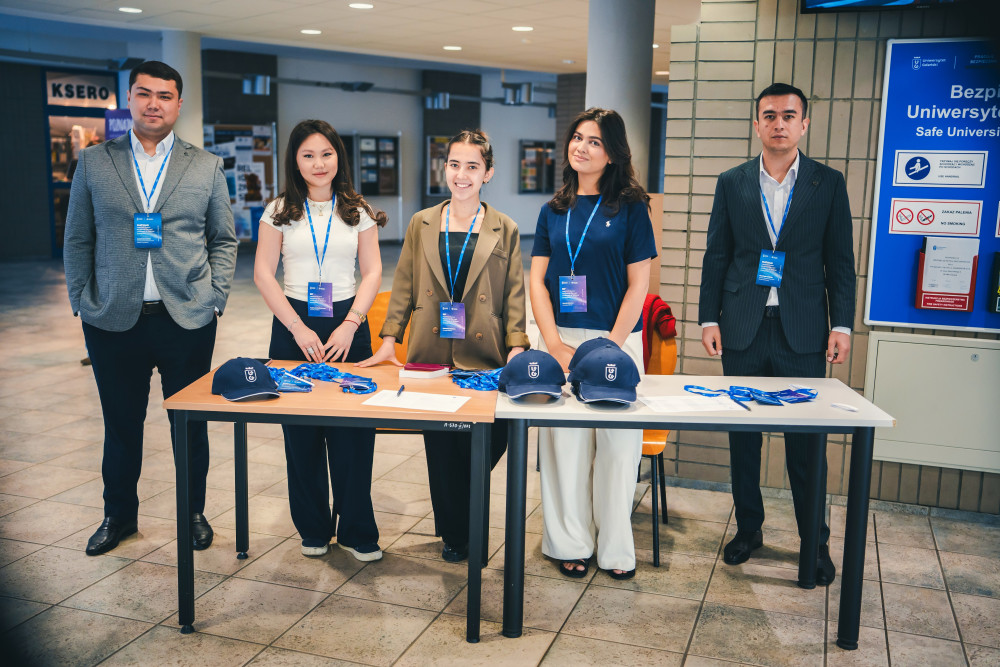
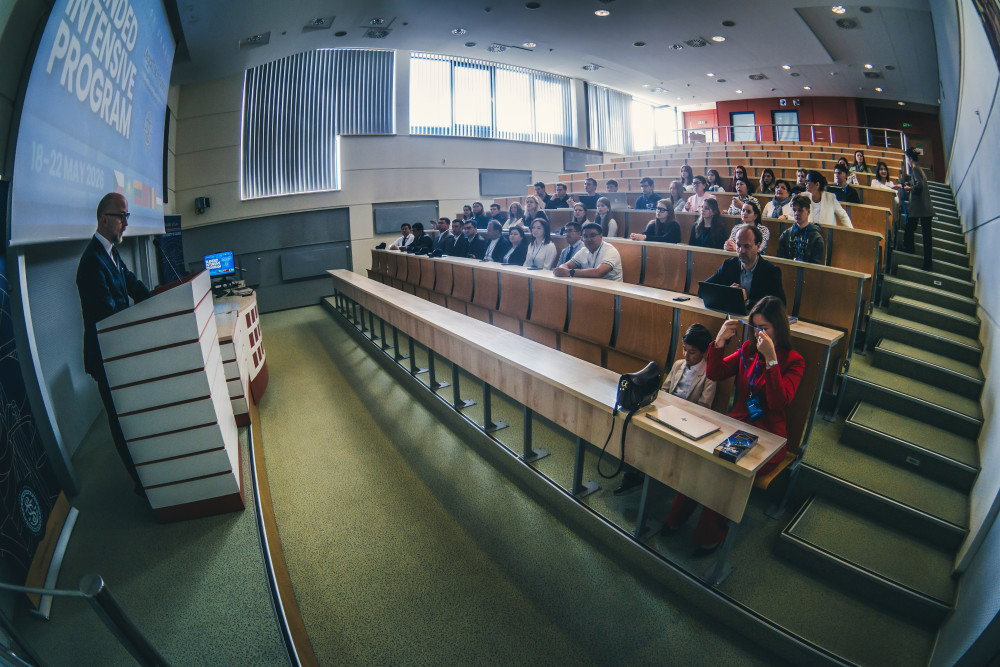
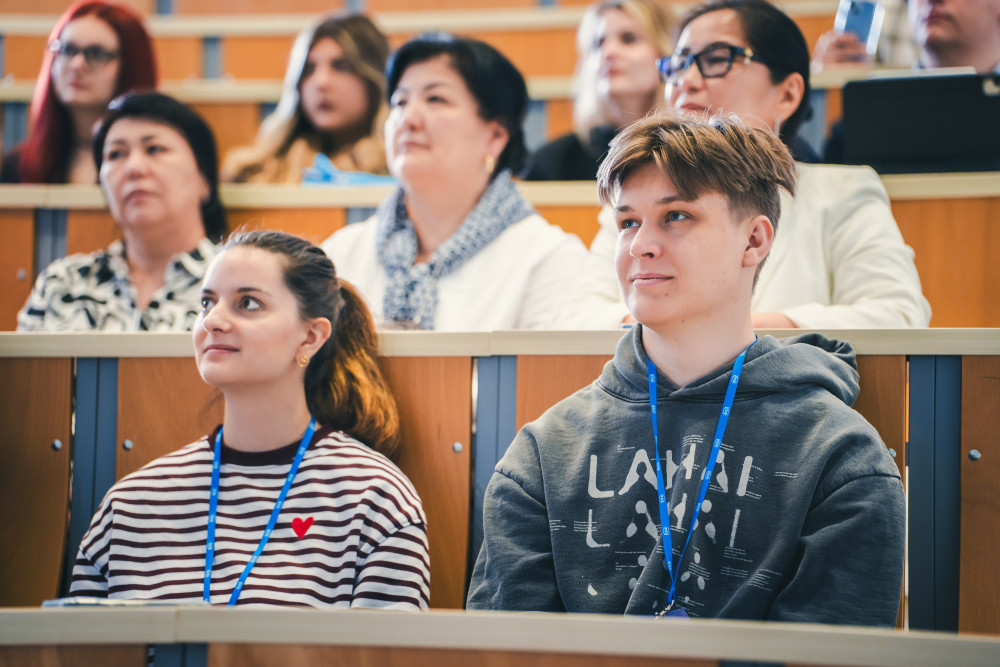
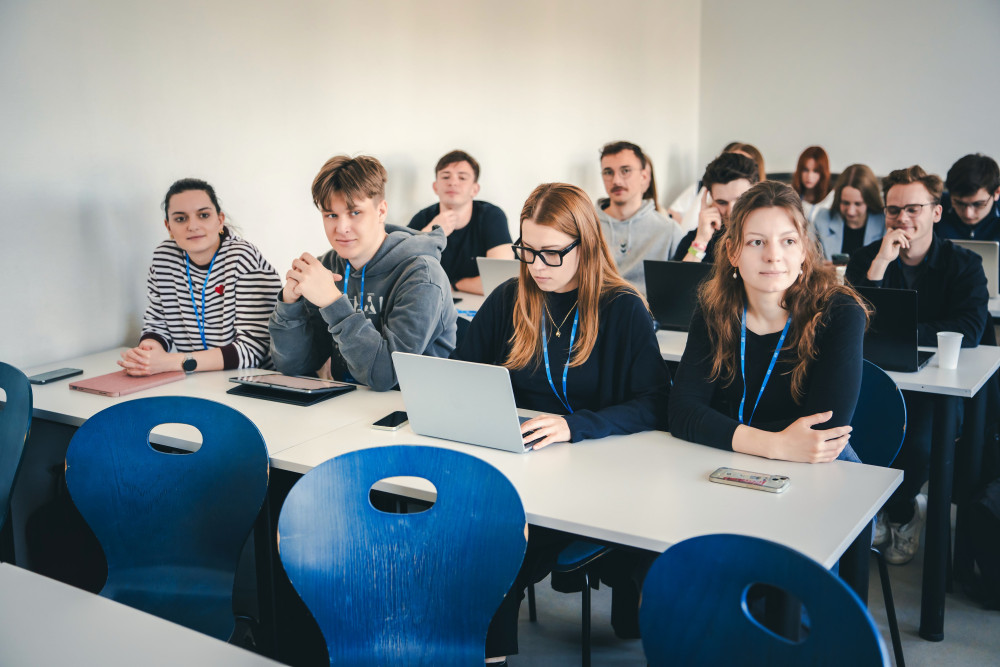
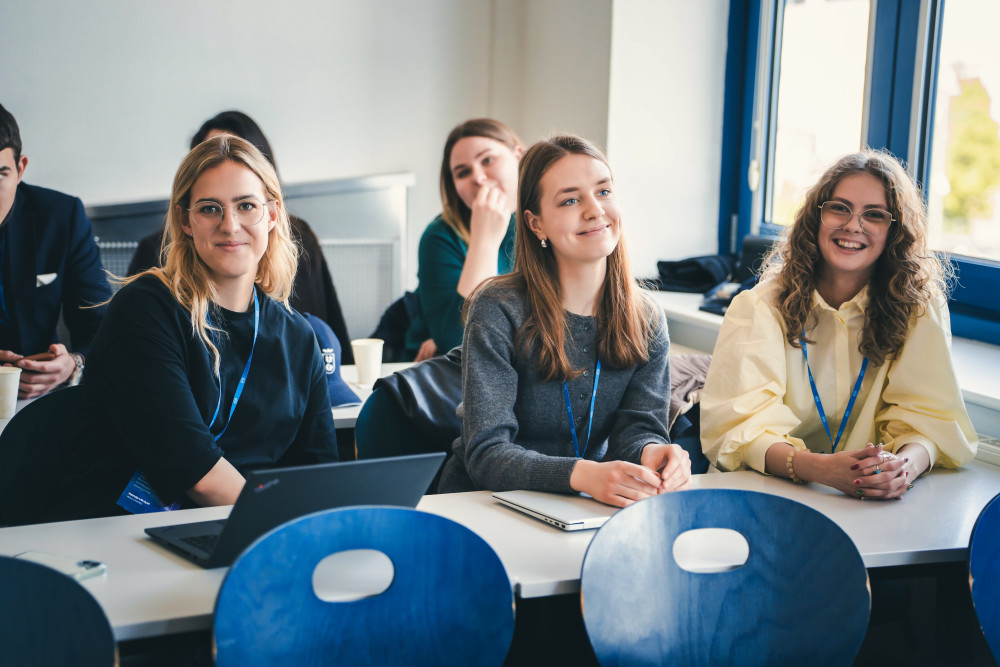
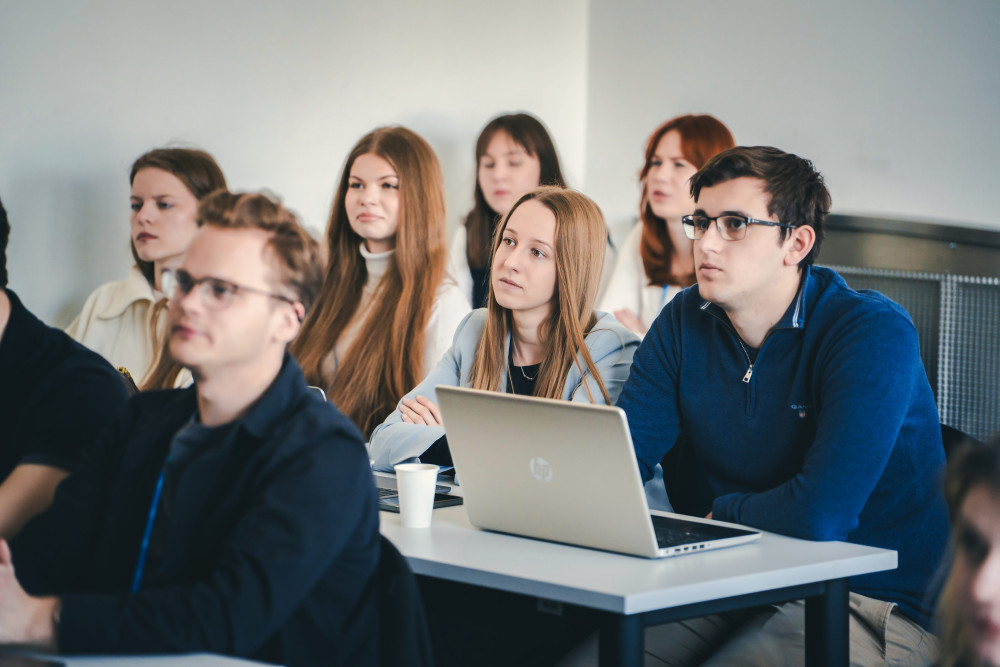
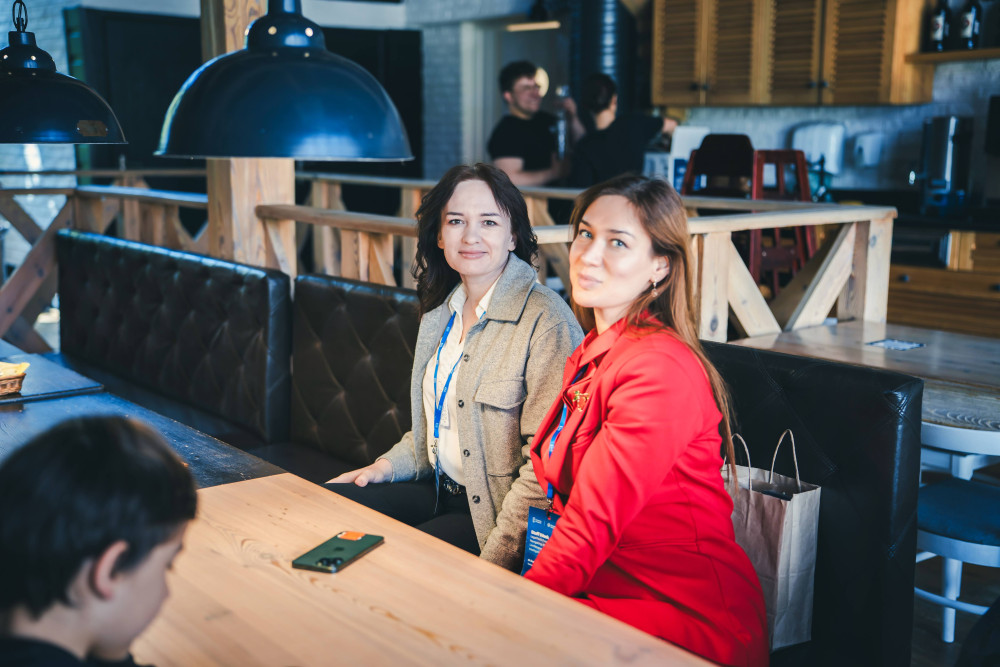
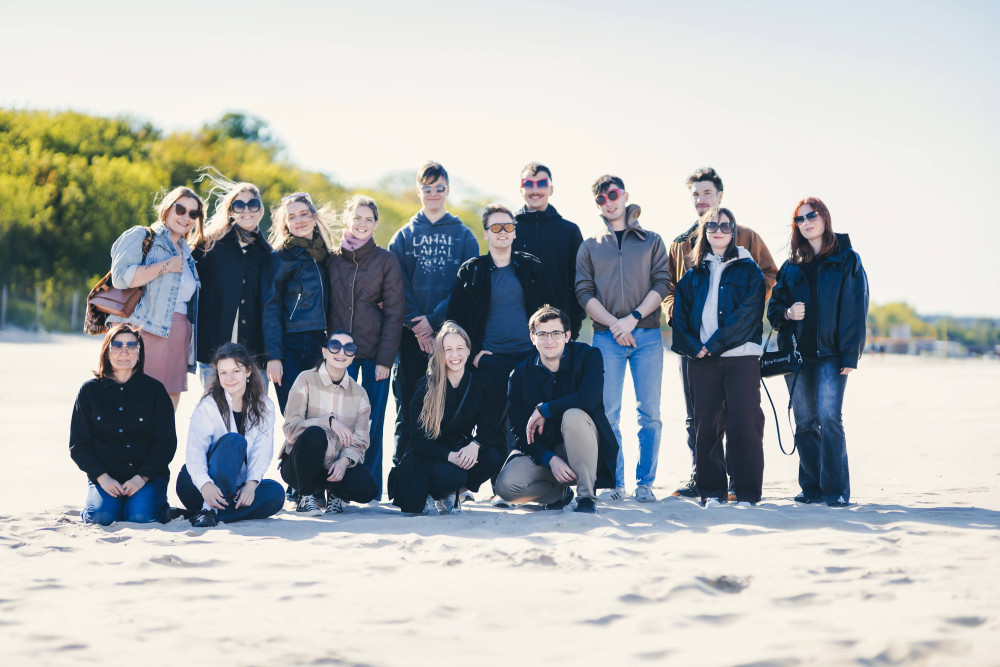
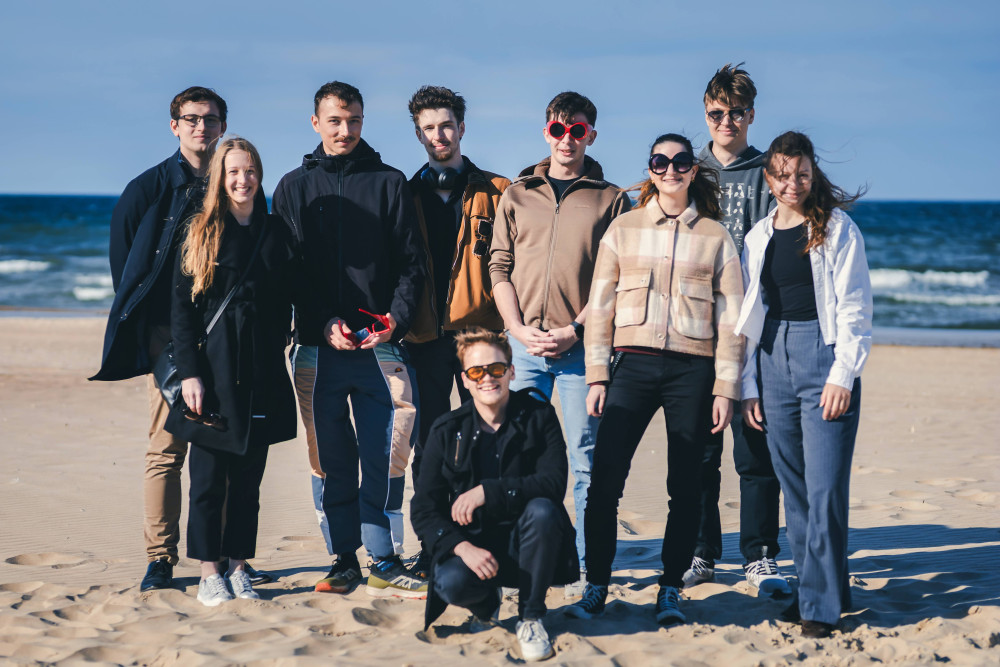
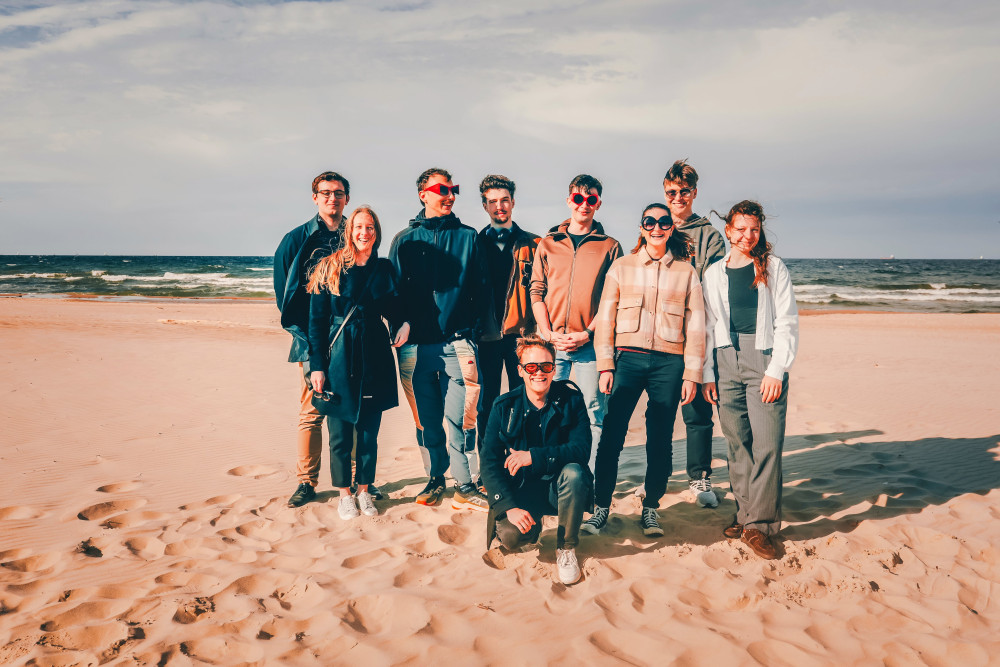
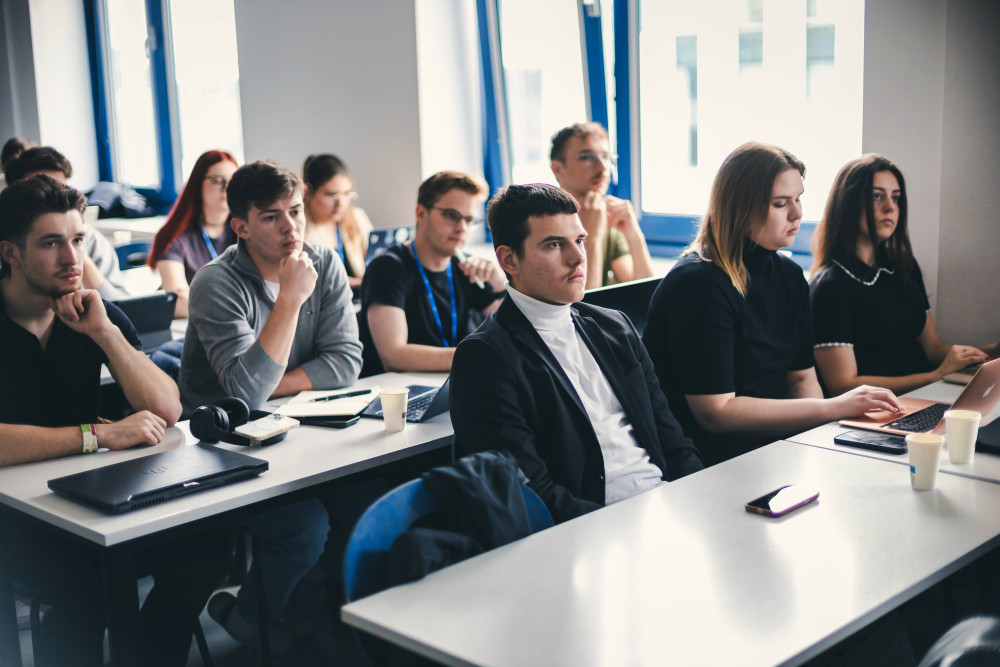
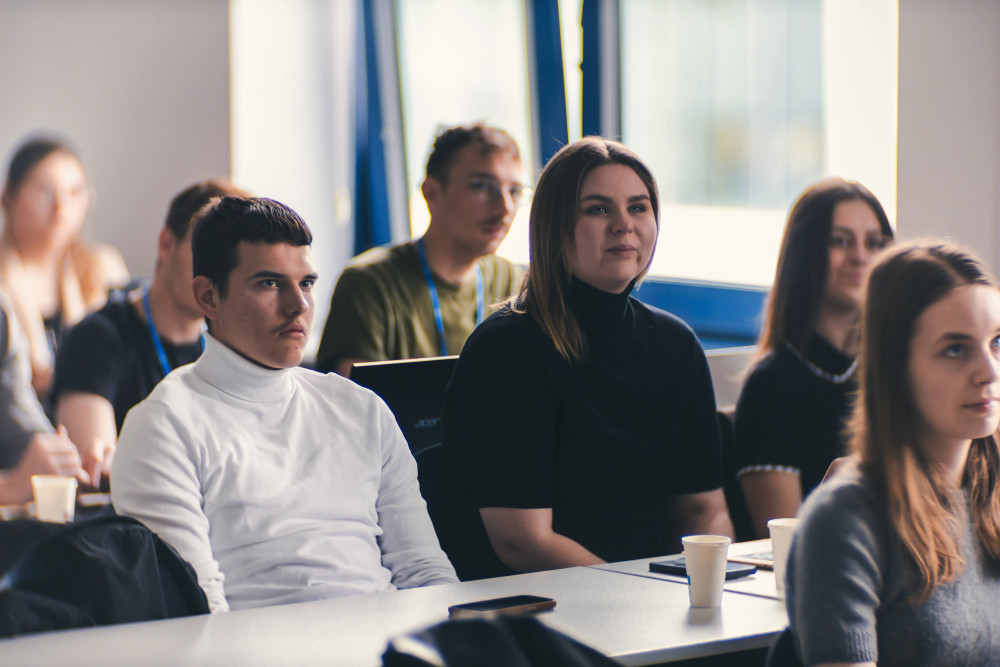
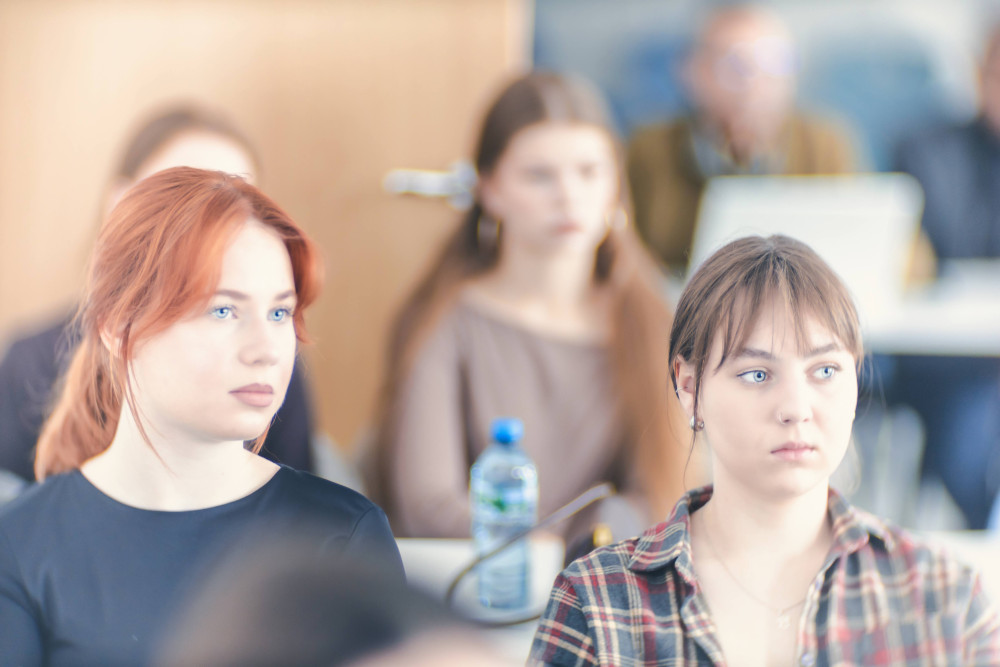
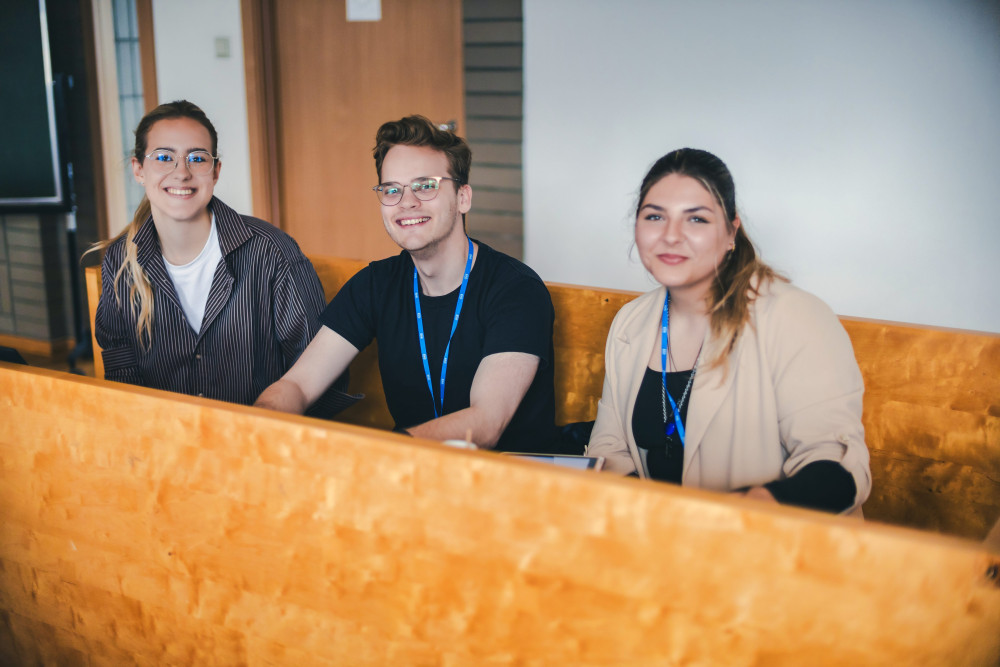
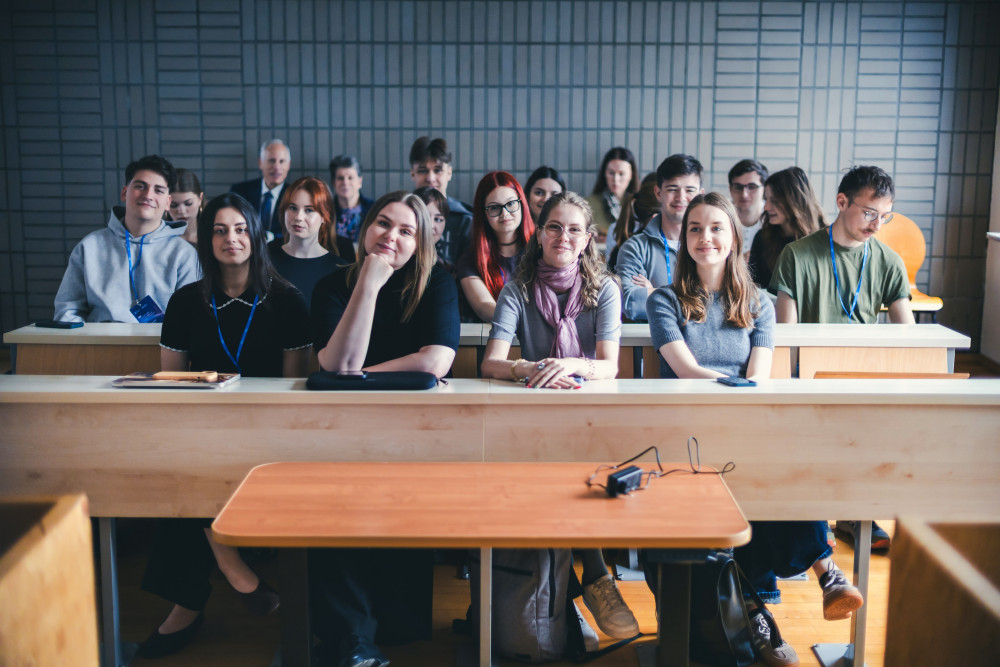
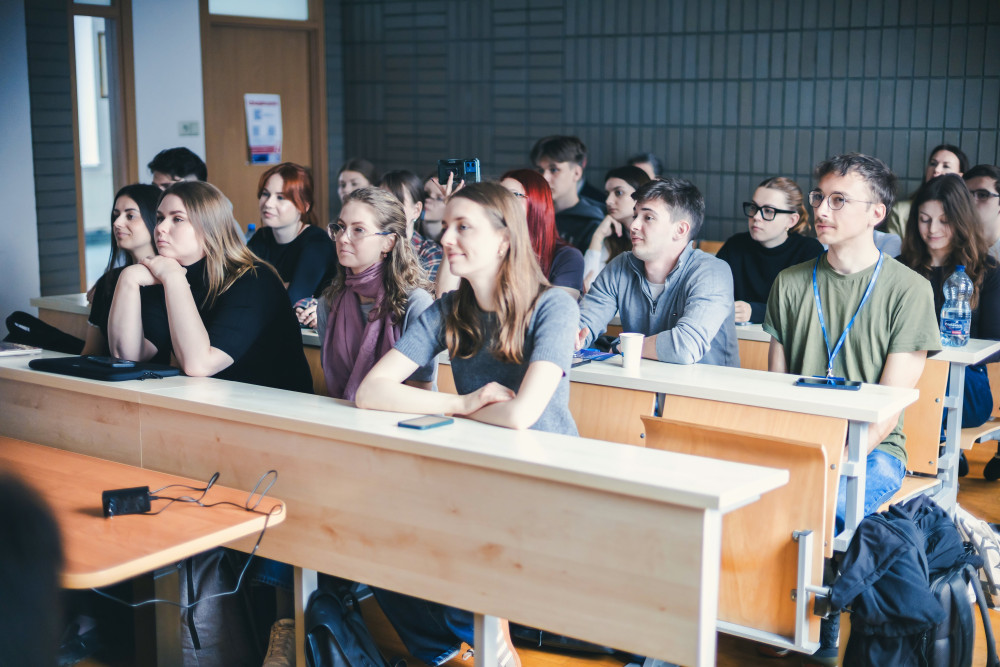
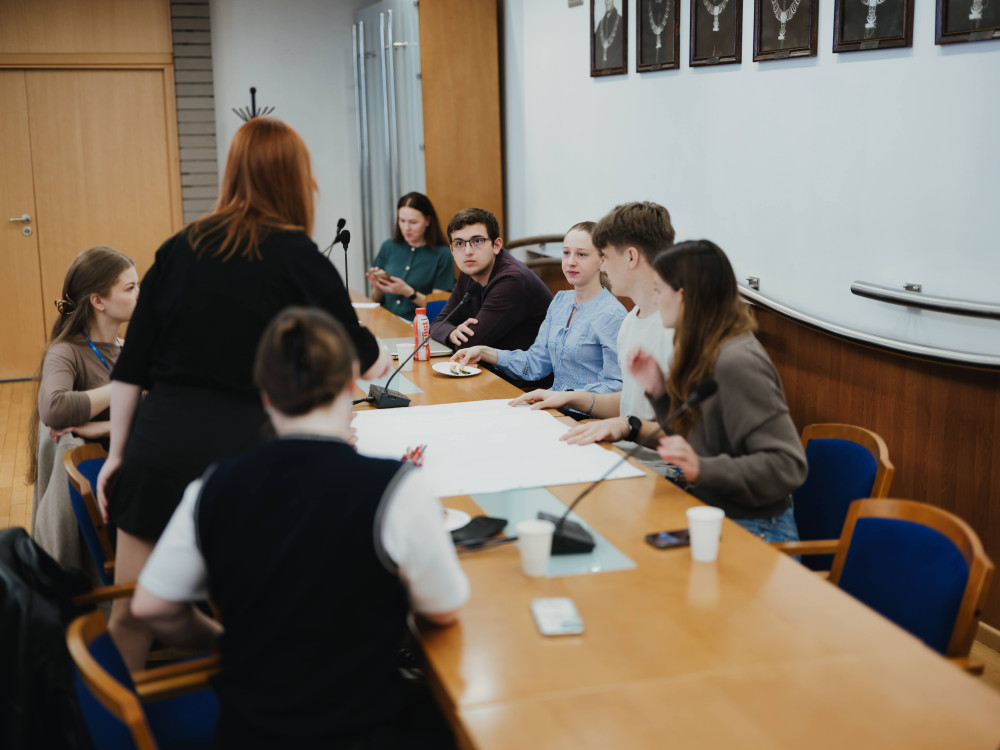
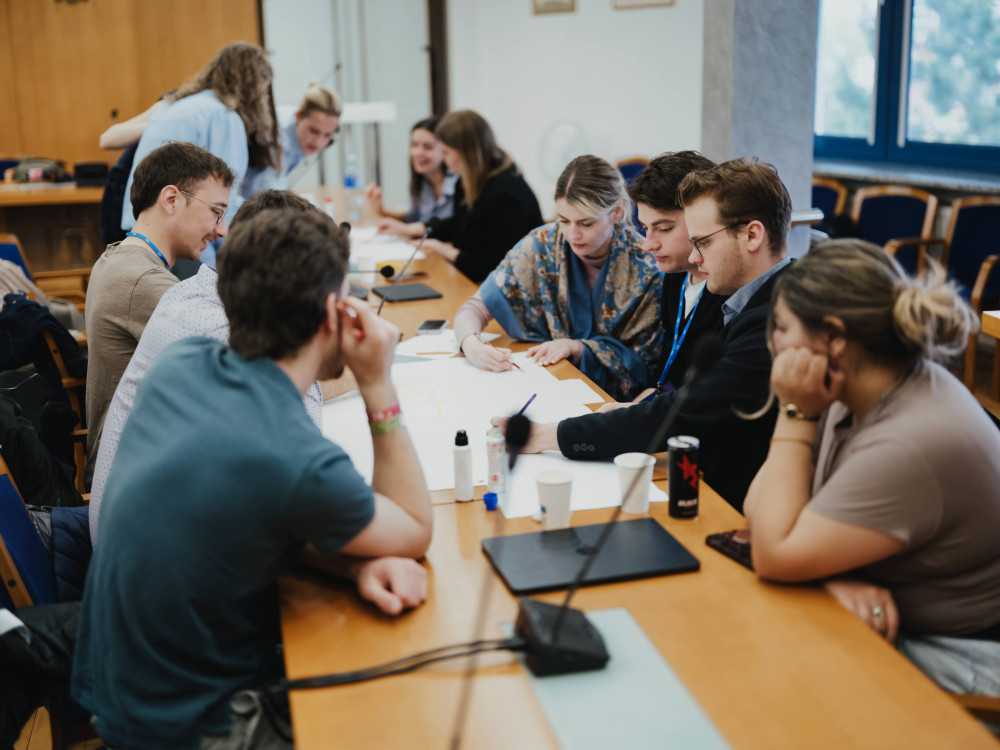
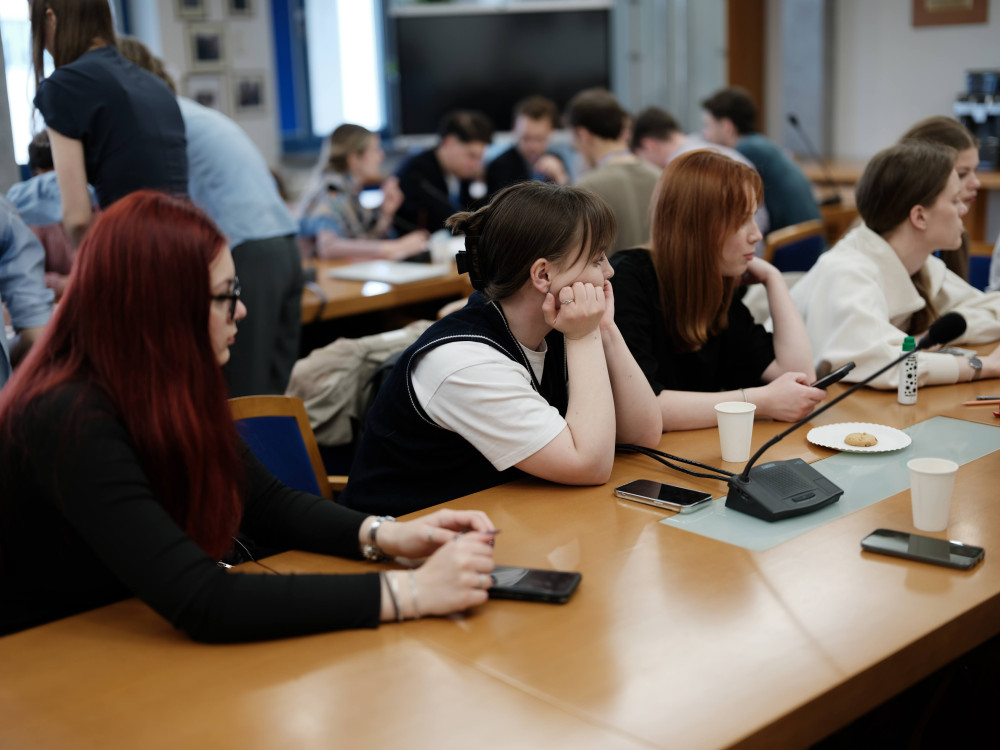
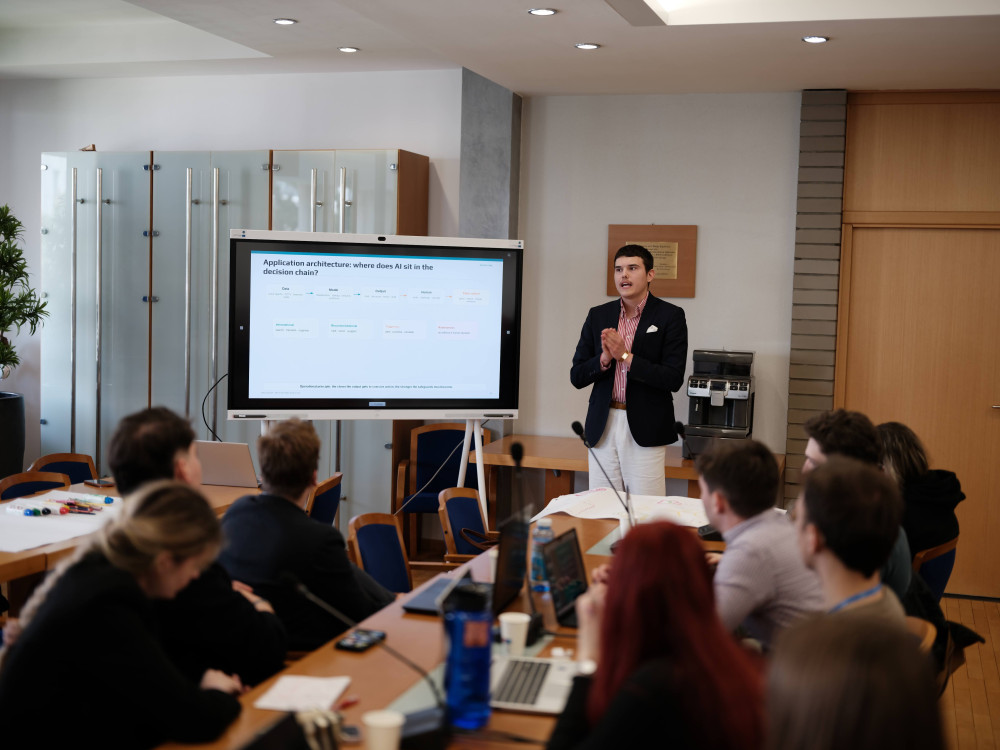
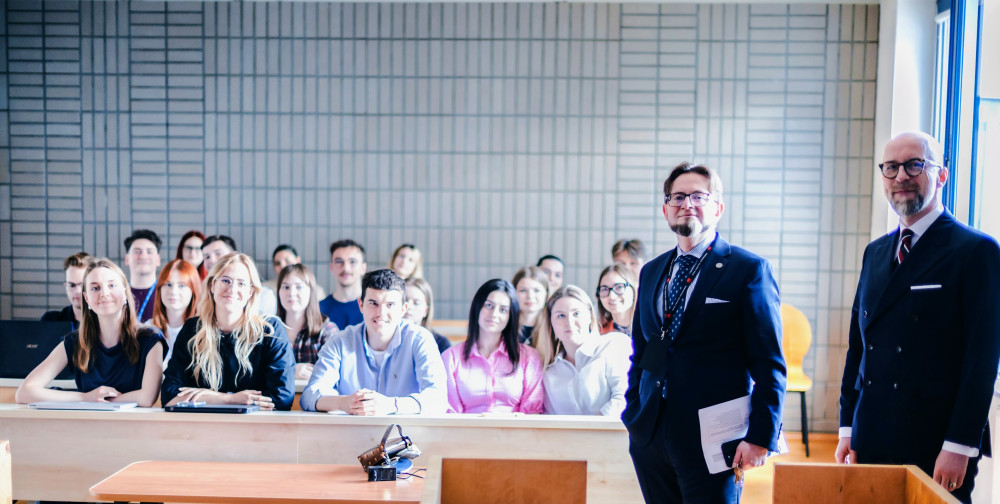
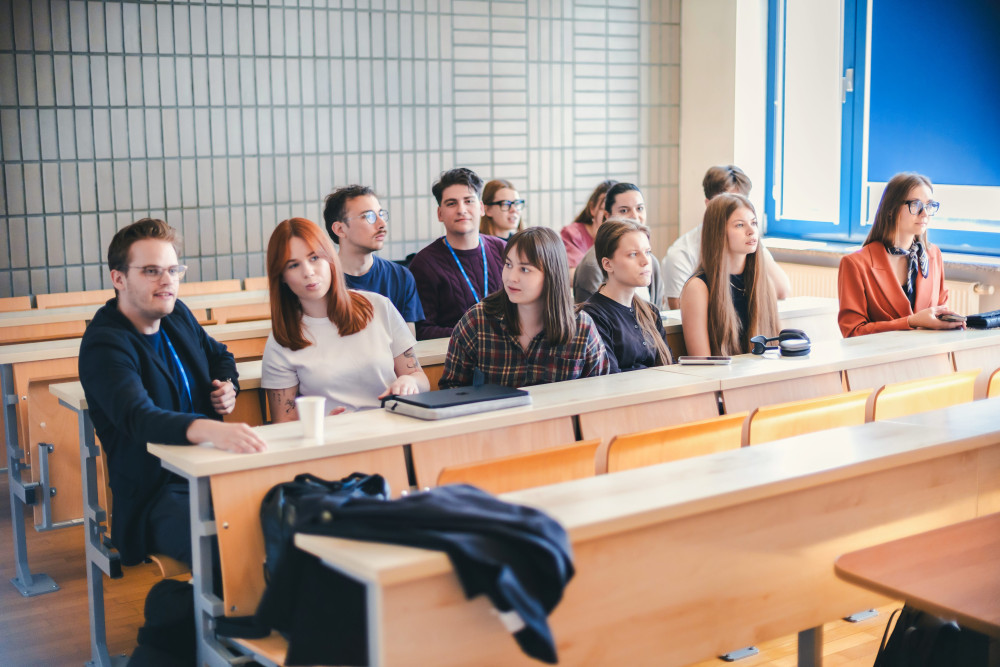
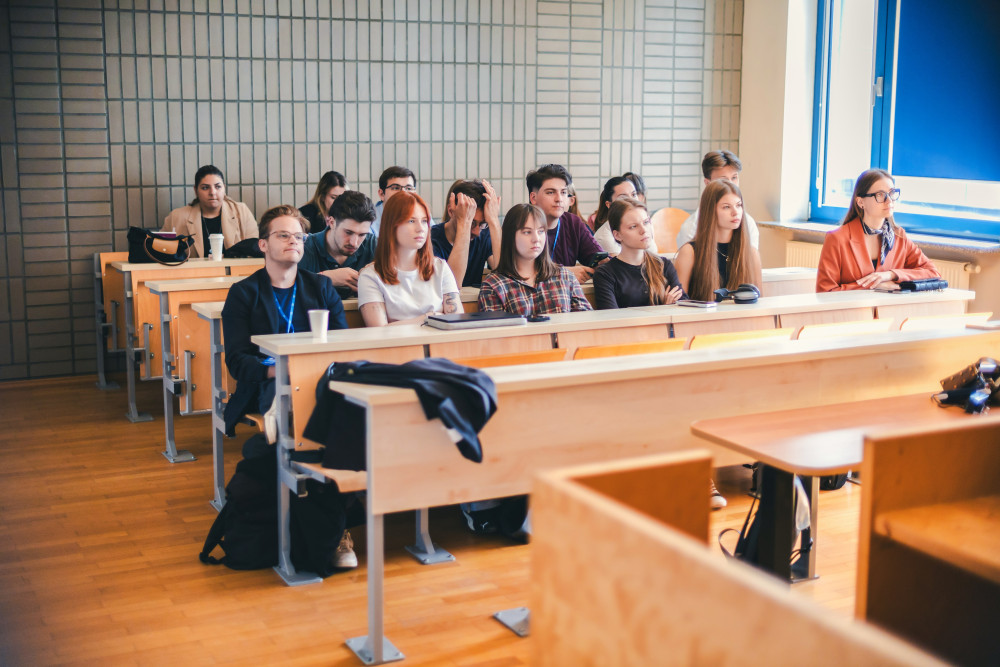
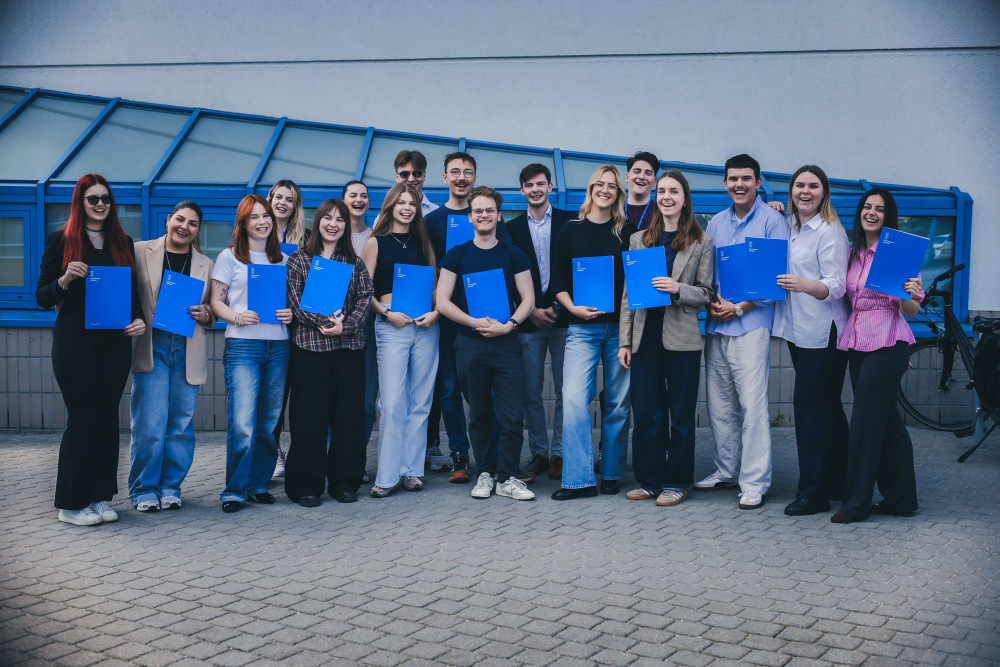
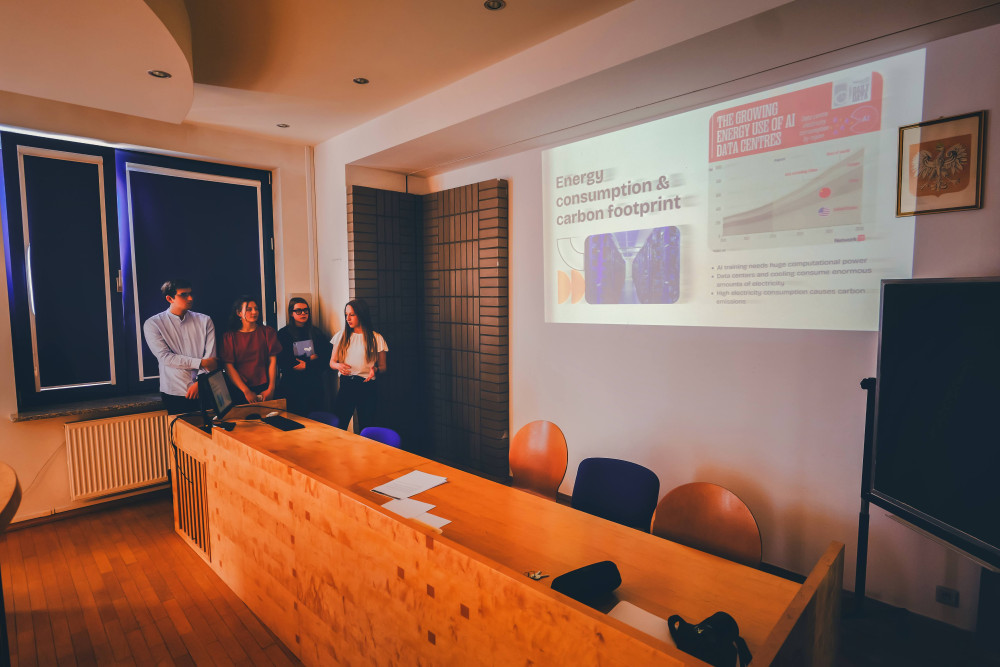
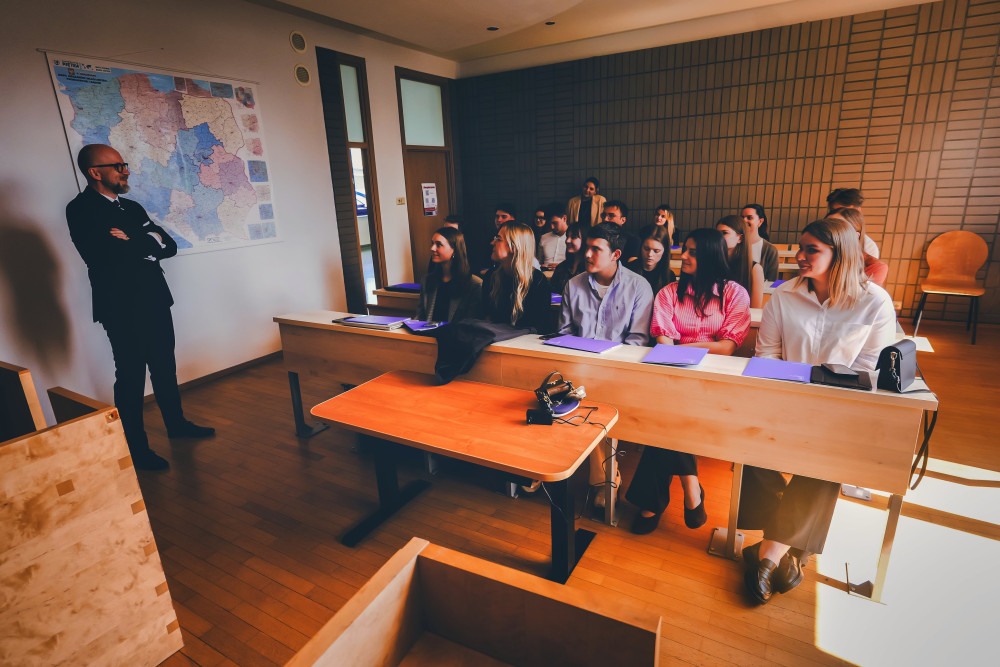
From 18 to 22 May 2026, the Faculty of Law and Administration of the University of Gdańsk hosted nearly forty participants in another edition of the Blended Intensive Programme (BIP), this year held under the title “LegalTech Fusion: Navigating the Legal Frontier of AI.”
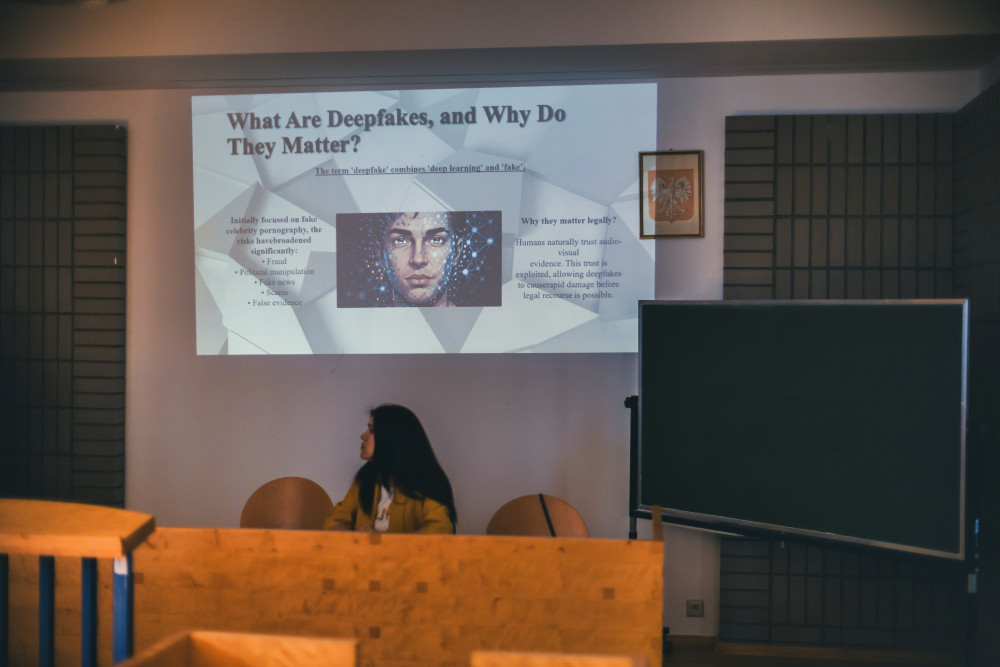
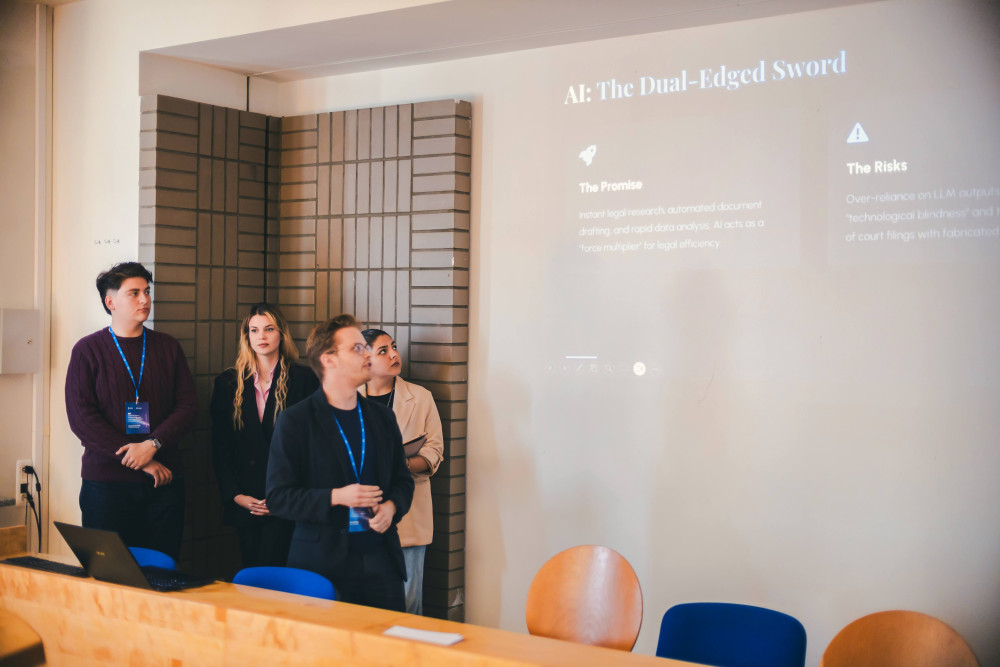
The programme focused on one of the most pressing challenges facing contemporary law and the legal profession: the rapidly growing impact of artificial intelligence on justice, legal regulation, financial markets, taxation, fundamental rights and the future of legal professions.
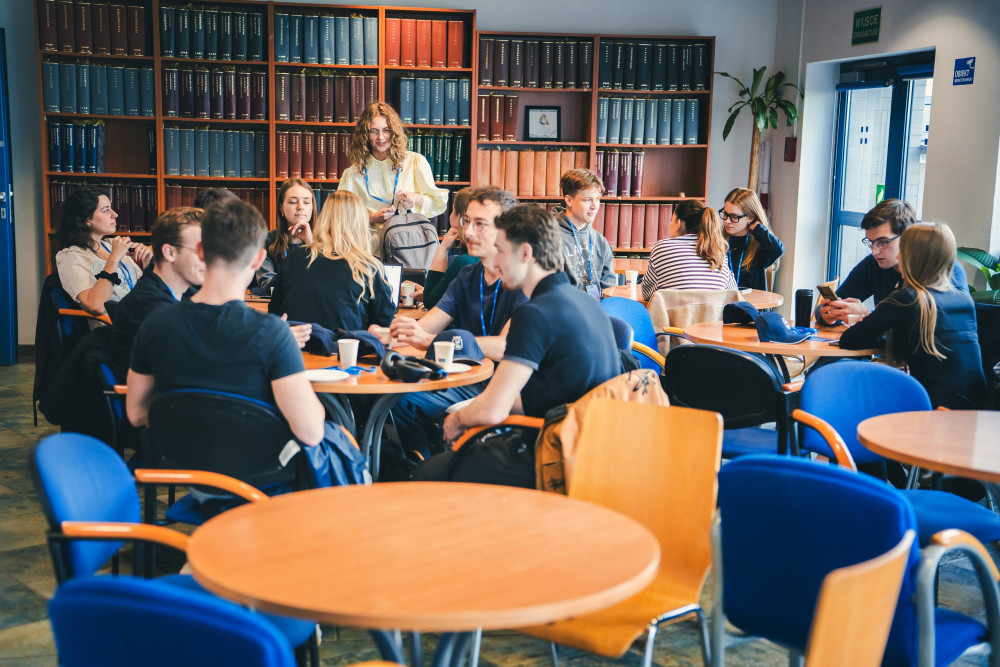
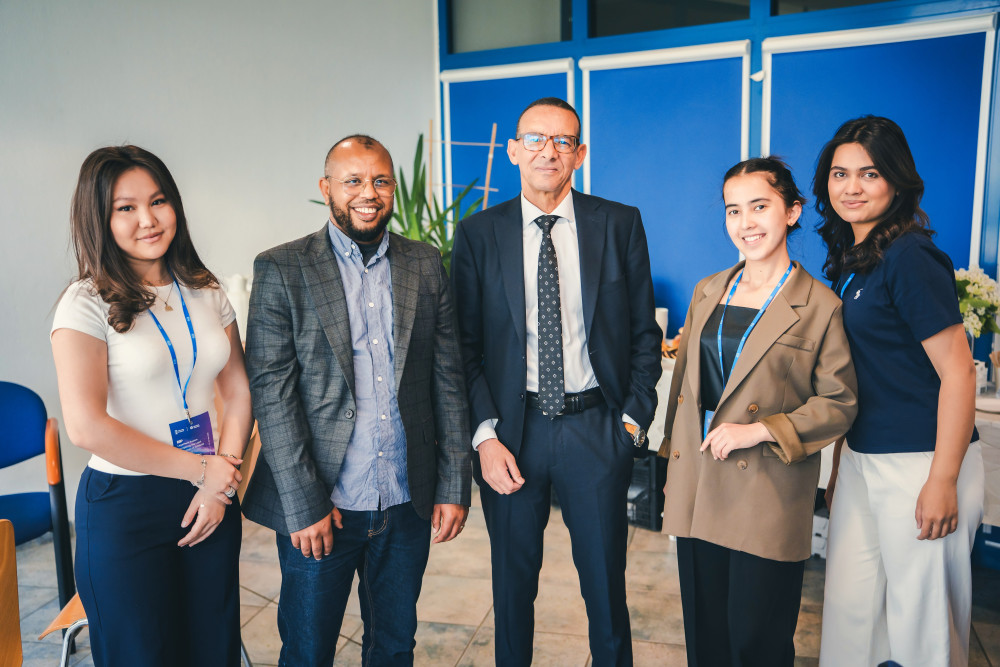
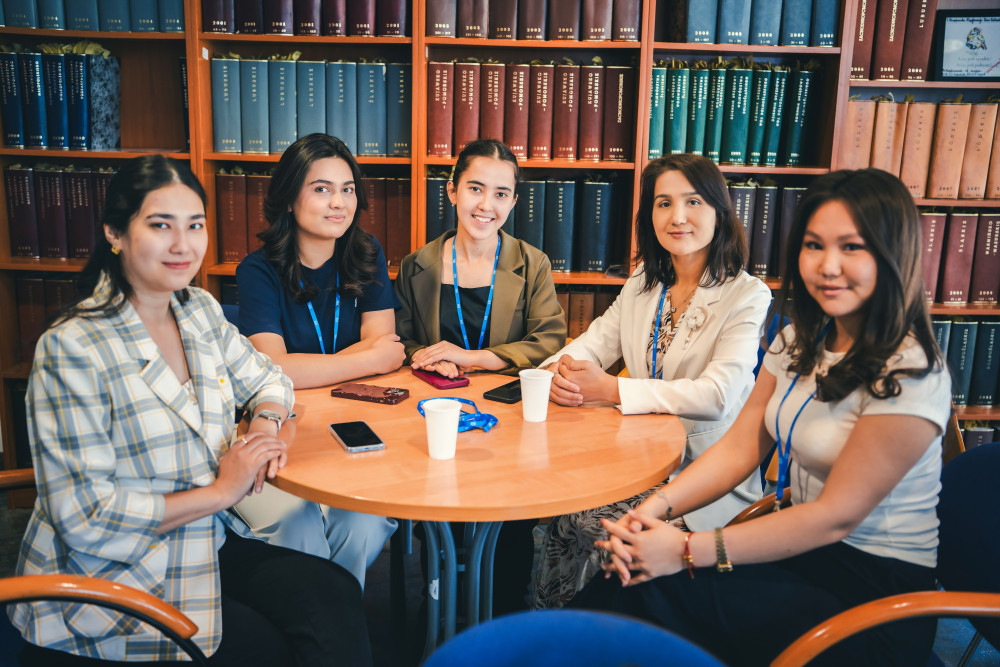
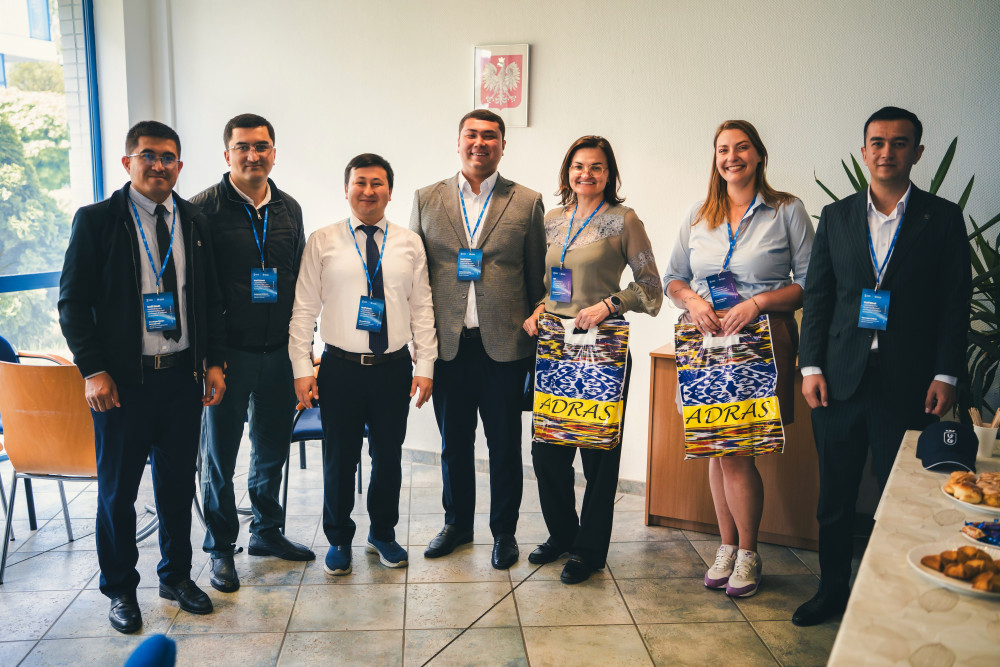
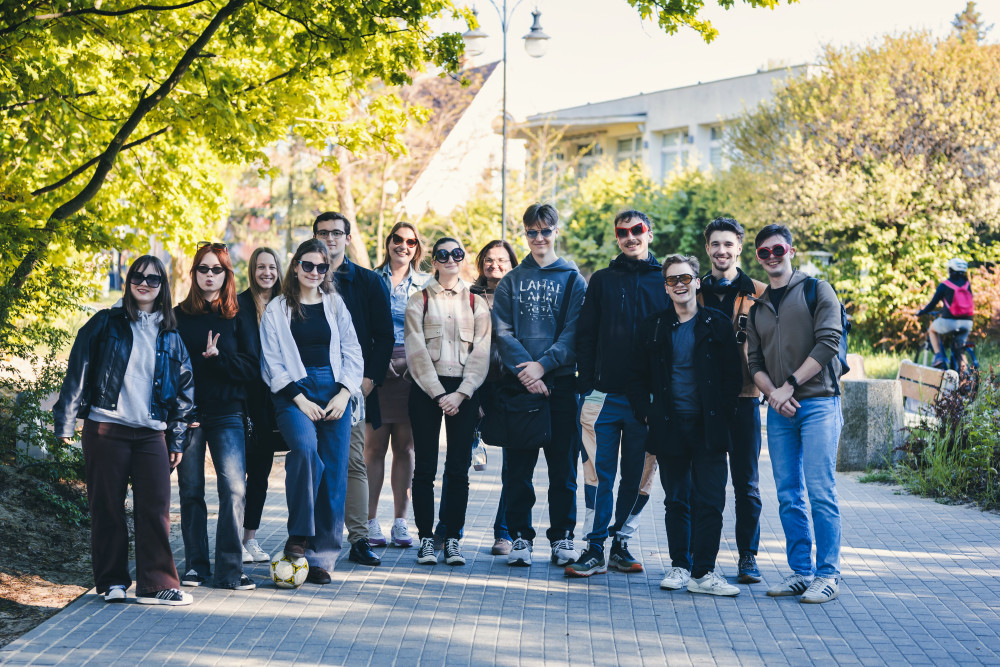
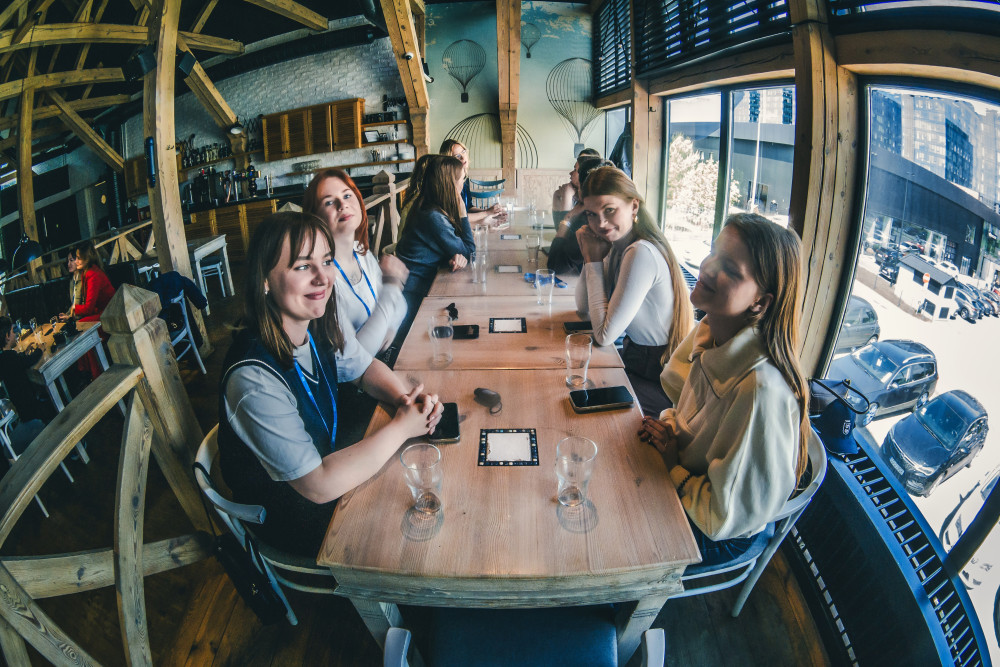
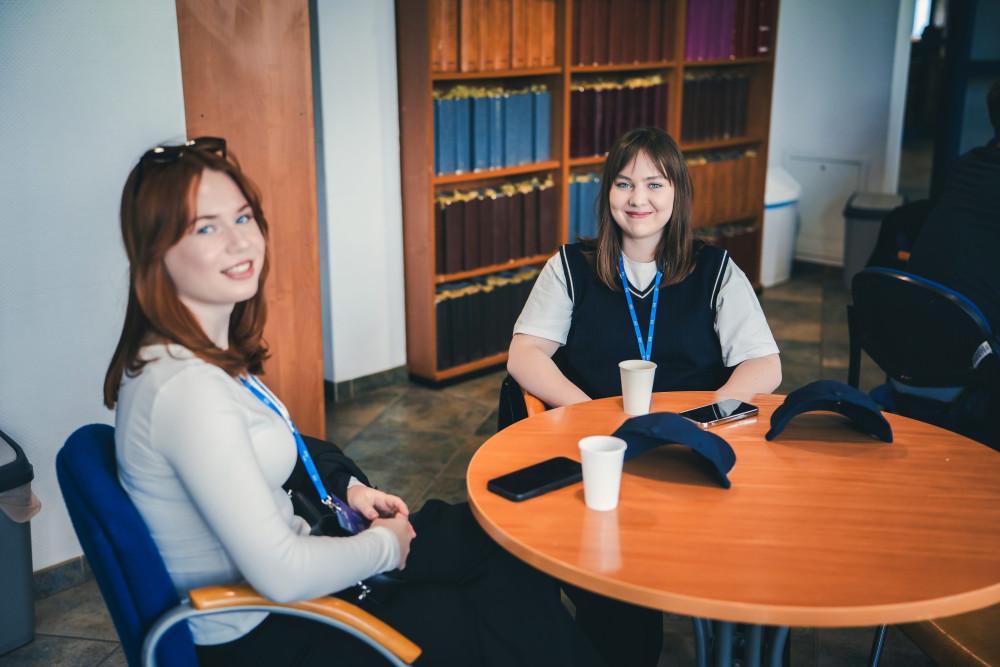
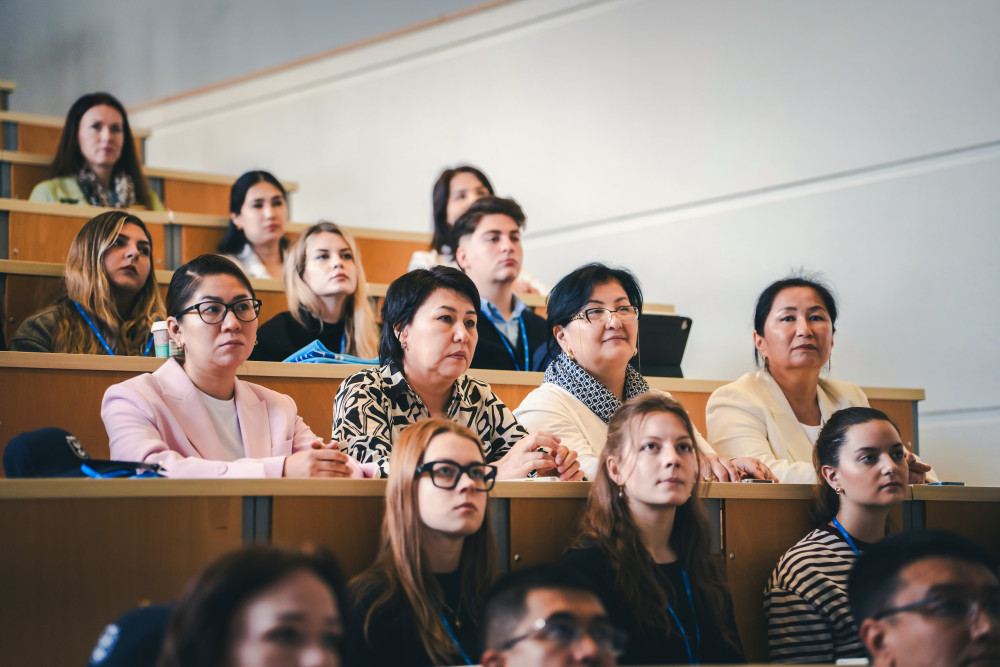
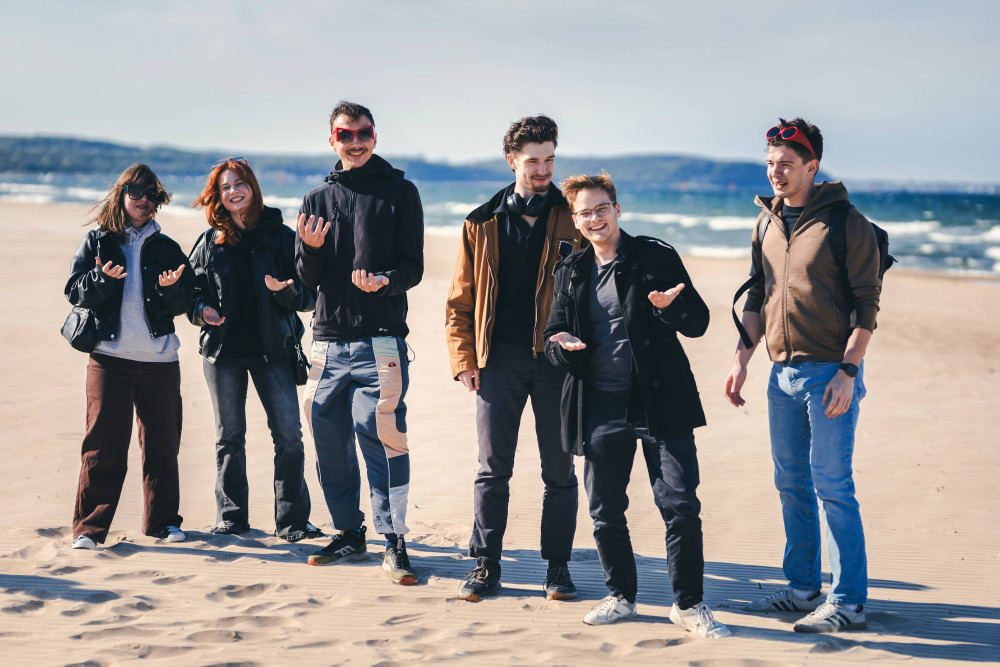
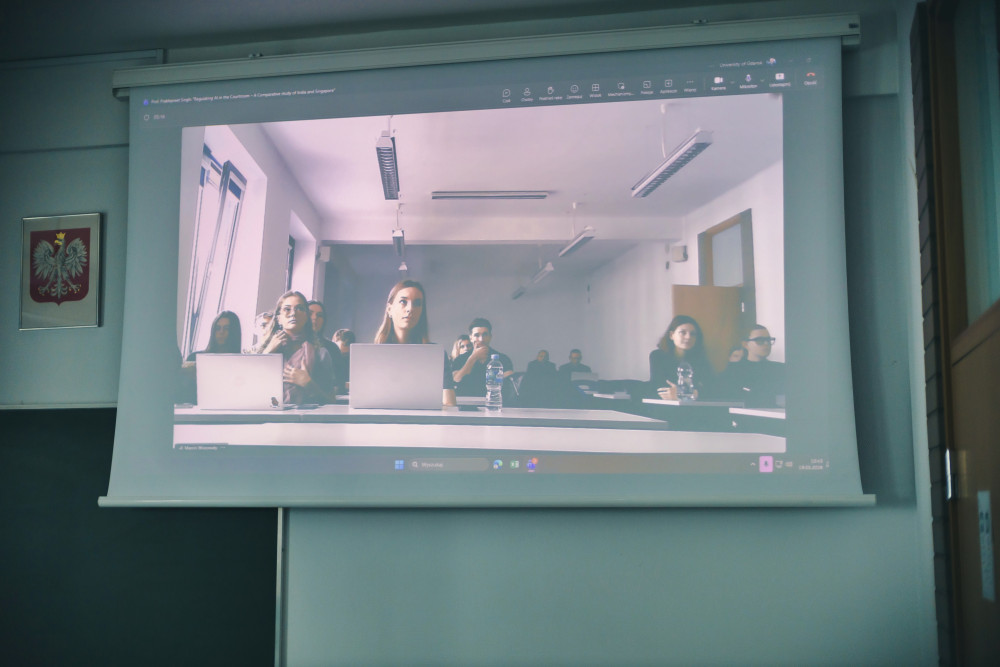
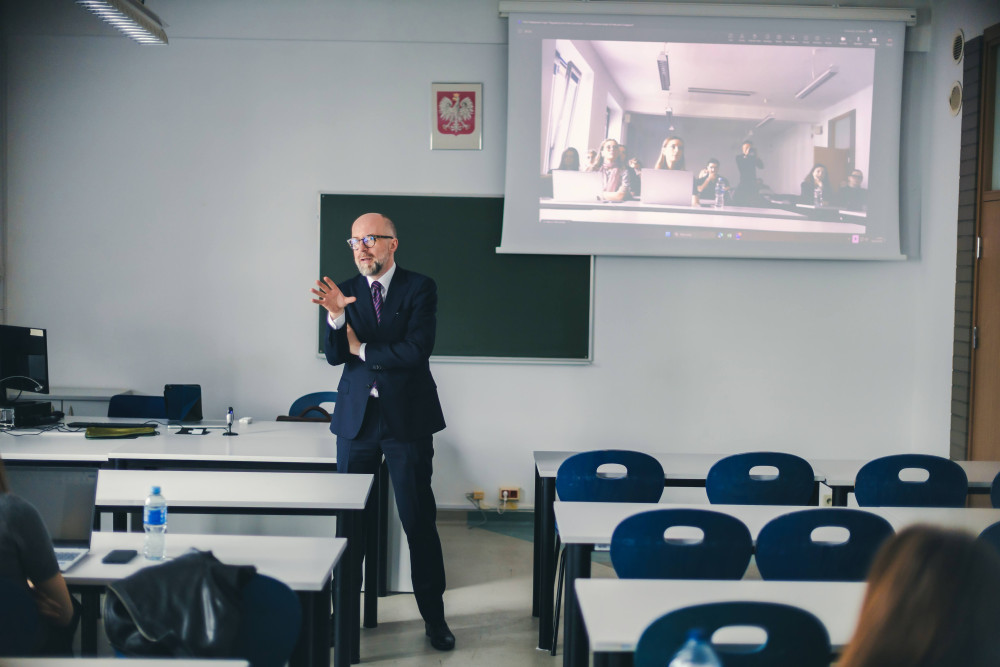
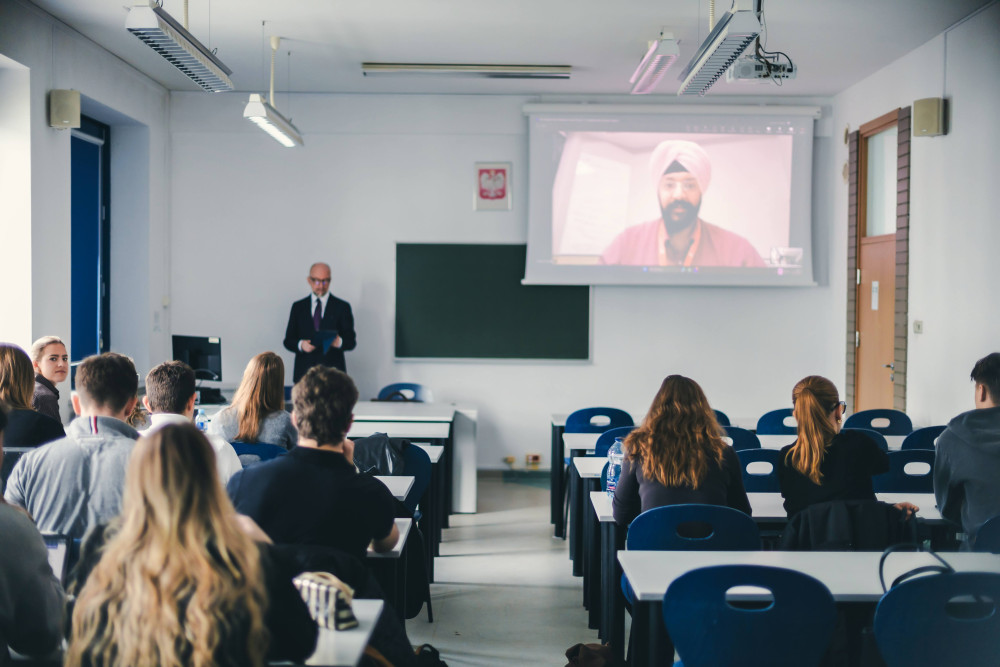
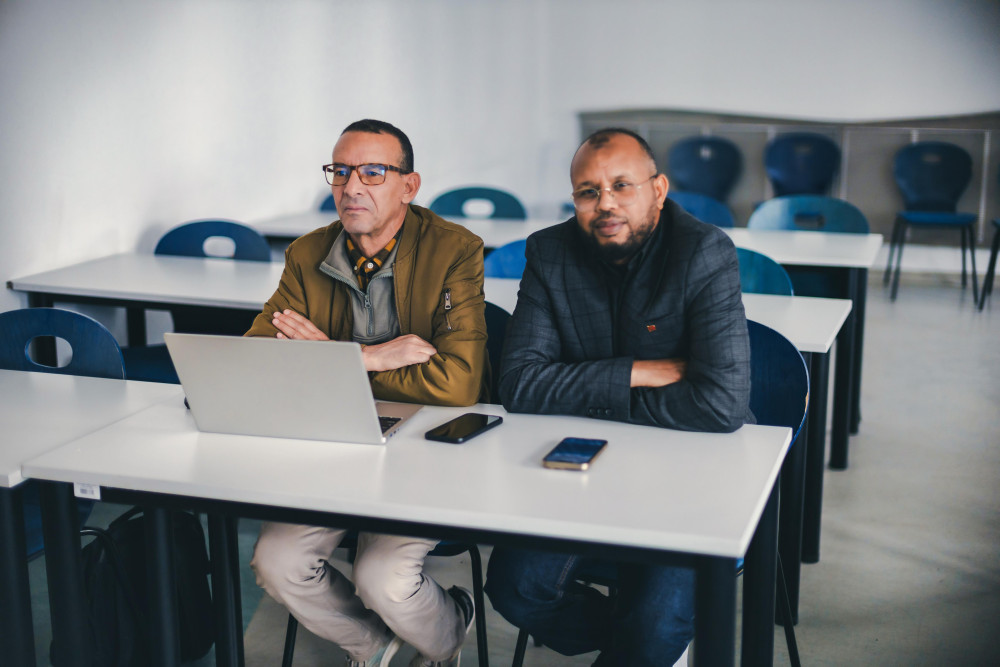
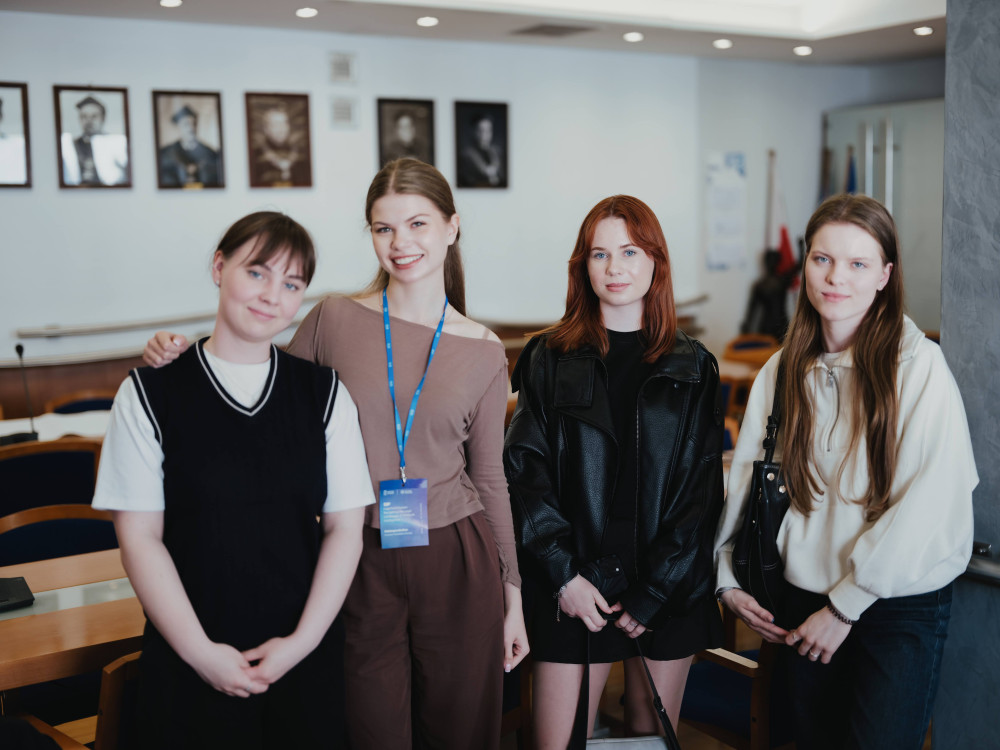
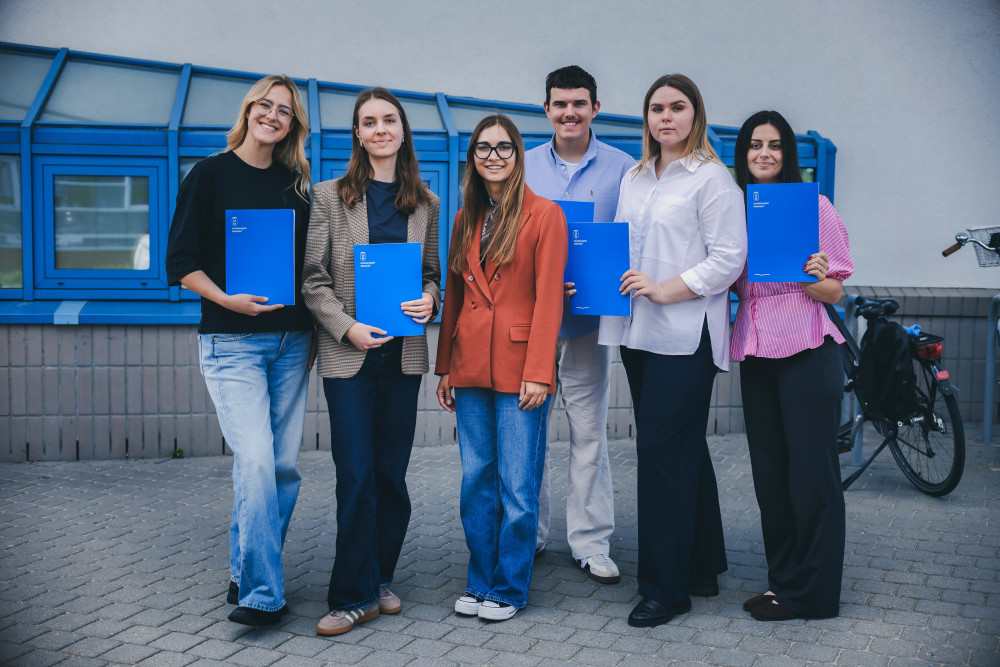
This year’s BIP brought together students from partner universities in the Czech Republic, Lithuania, Romania, Belarus and Uzbekistan, as well as visiting academics from Kazakhstan and Morocco. Classes were delivered by lecturers and experts from Poland, India, Lithuania and Uzbekistan. This international composition gave participants an opportunity to discuss the legal challenges posed by AI from the perspective of different legal systems, academic traditions and practical experiences.
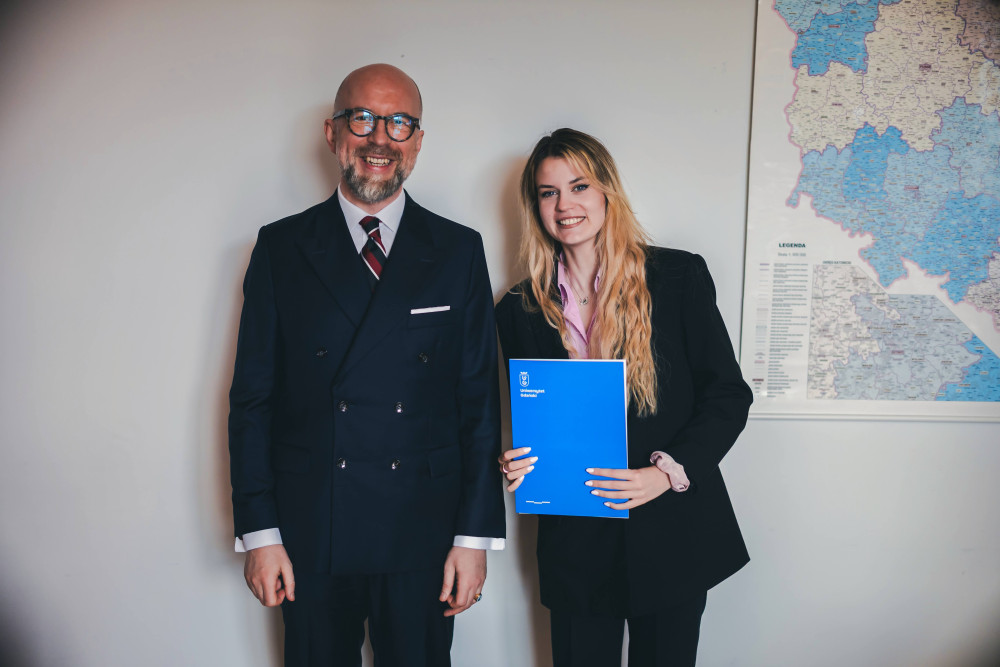
The programme was headed by Prof. Edvardas Juchnevičius of the University of Gdańsk.
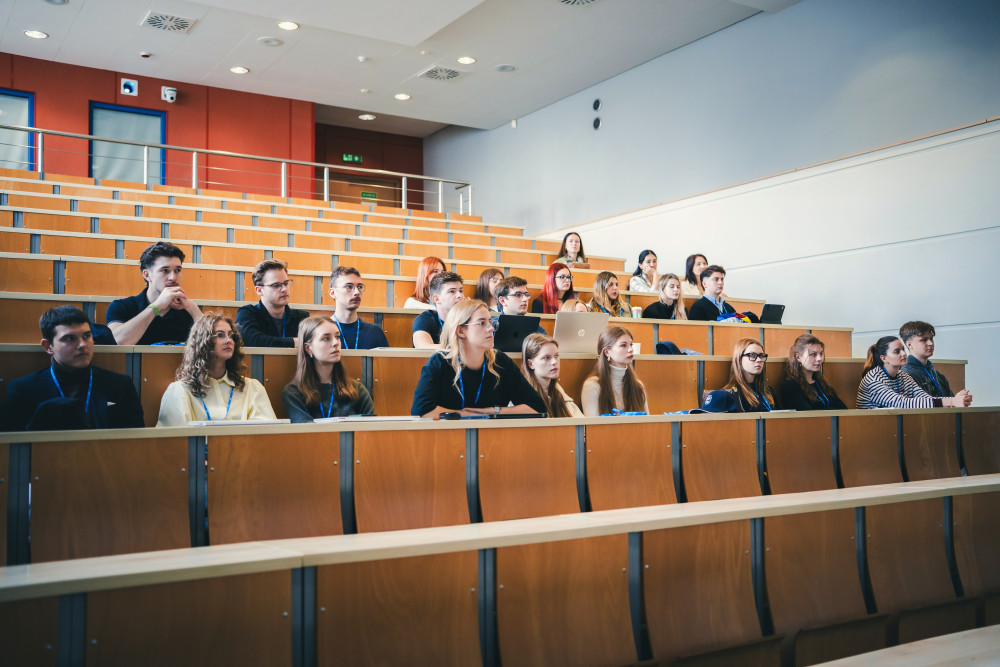
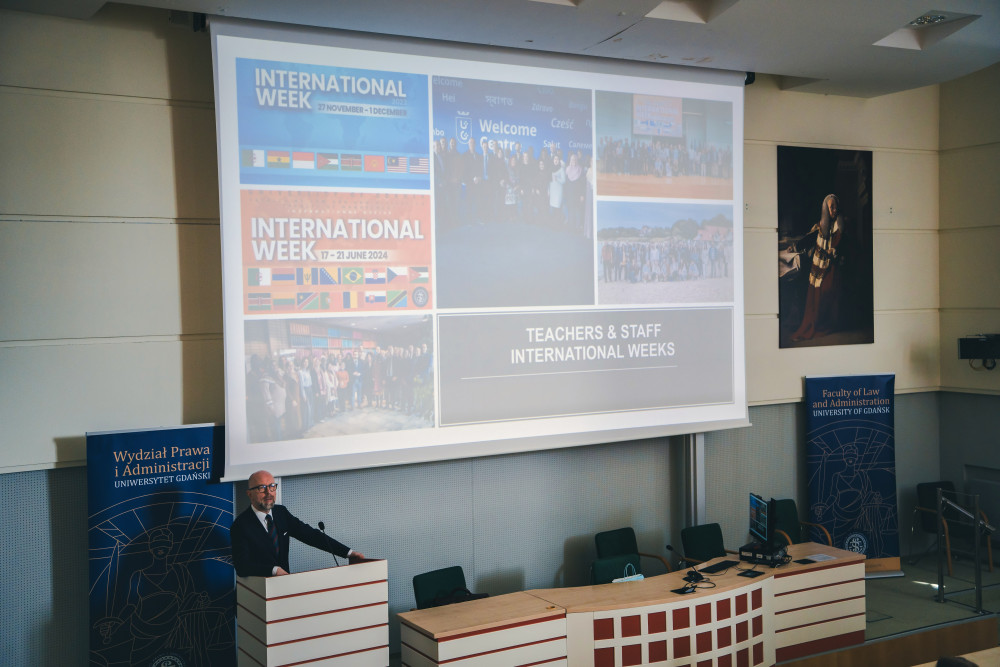
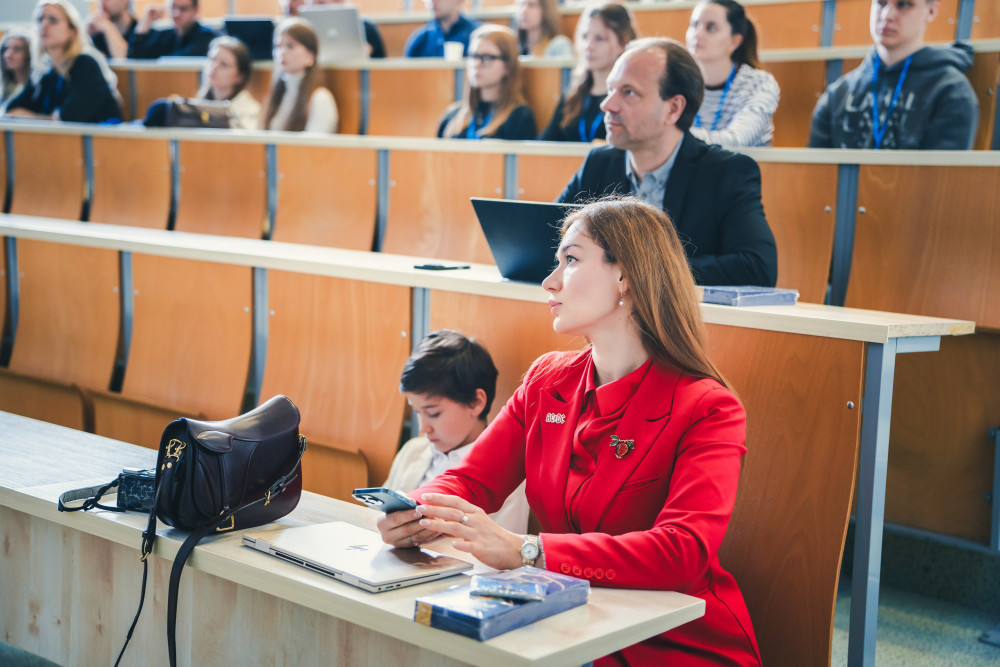
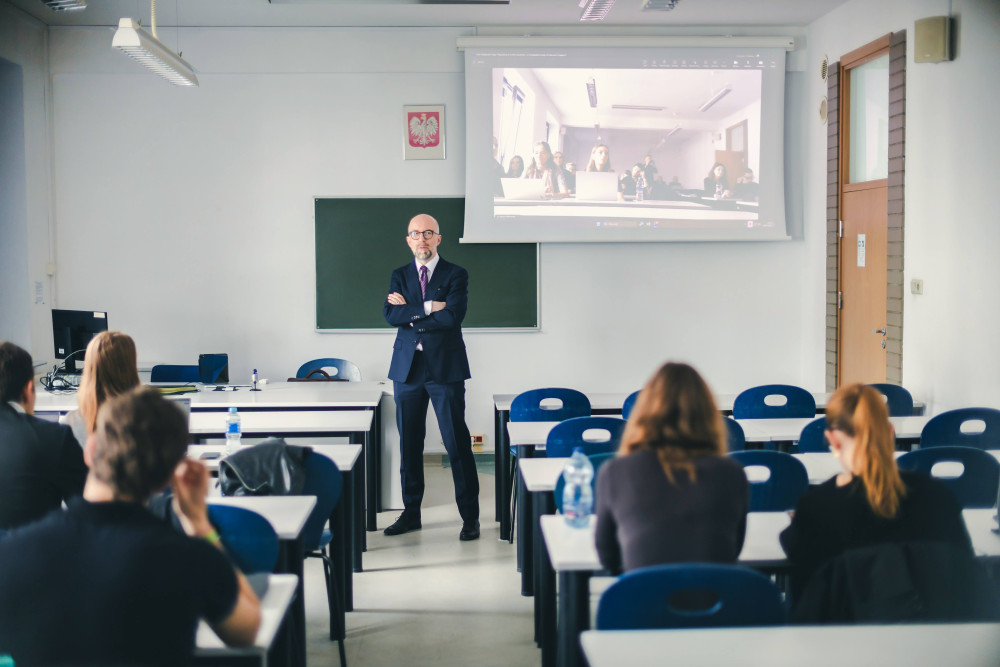
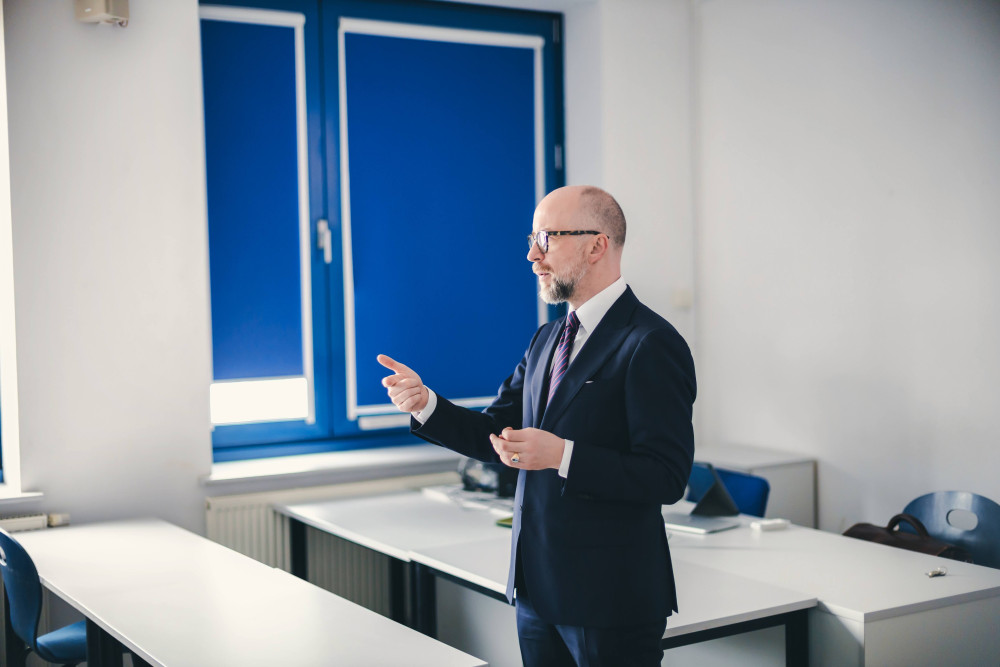
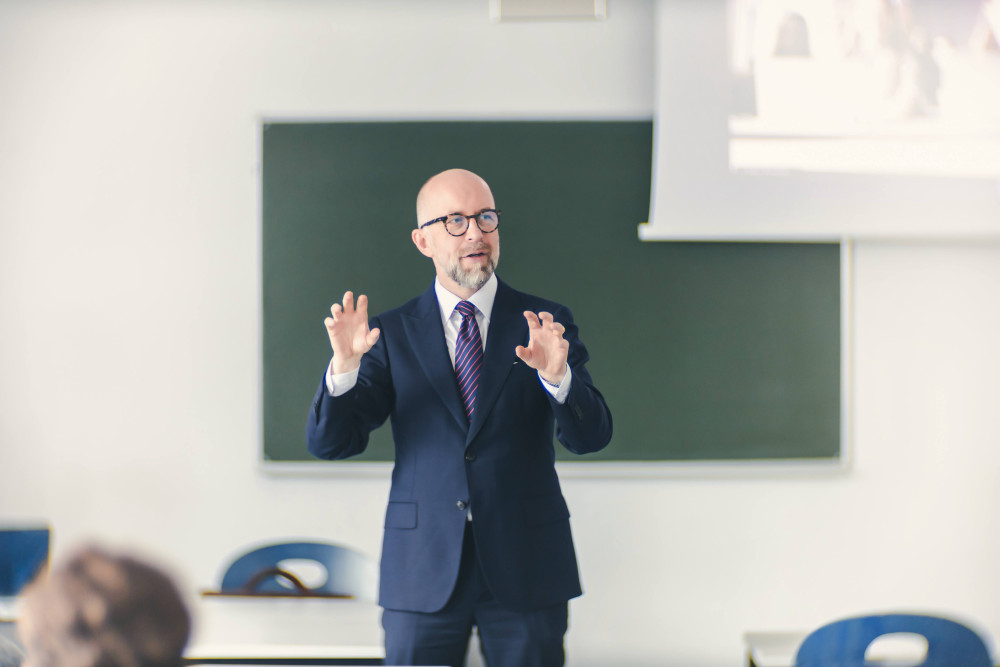
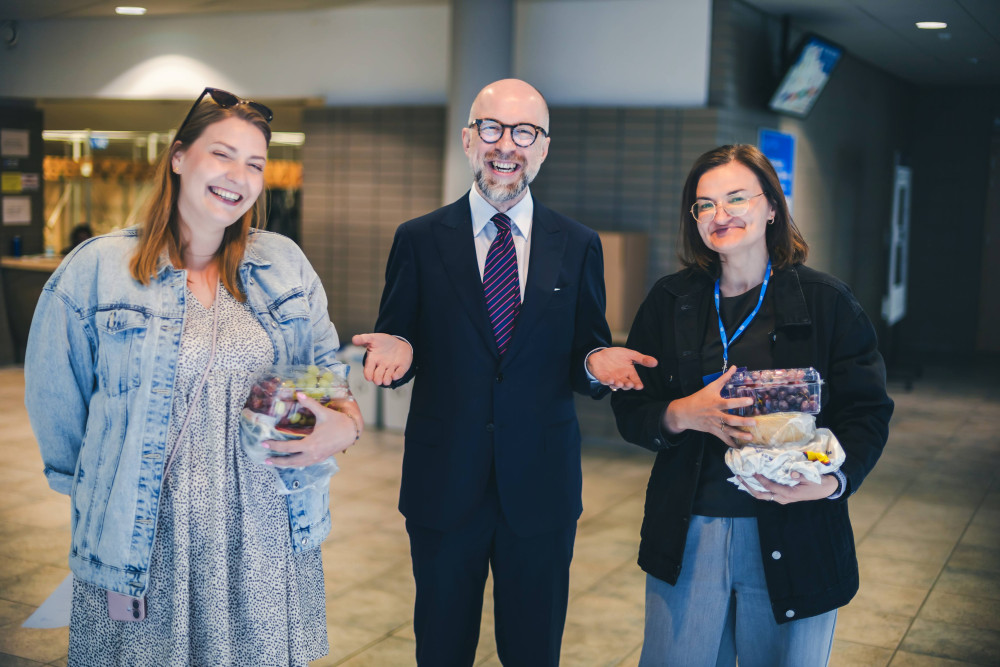
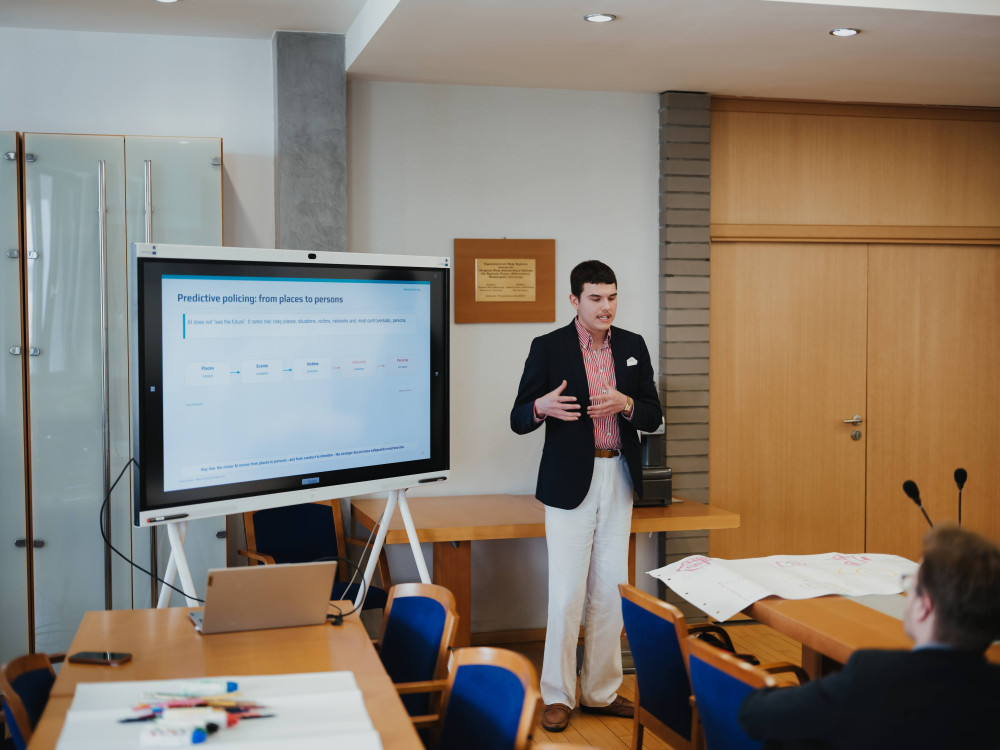
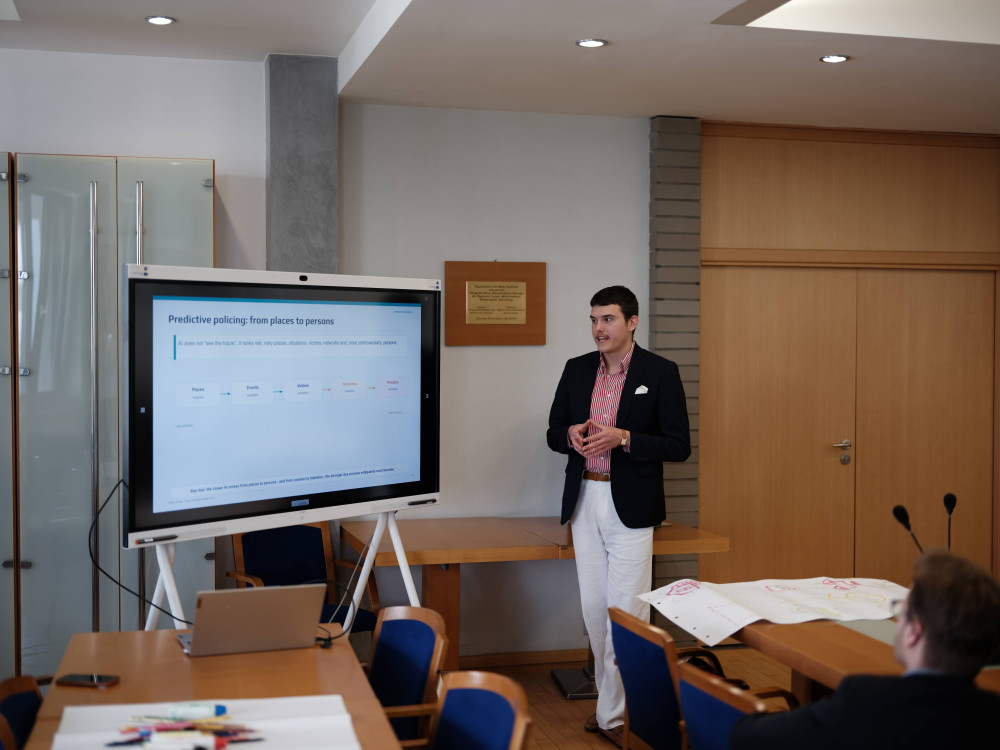
The BIP was officially opened by Prof. Marcin Wiszowaty, Vice-Dean for International Cooperation and Development of the Faculty of Law and Administration, University of Gdańsk. The opening was followed by an intensive series of lectures and workshops.
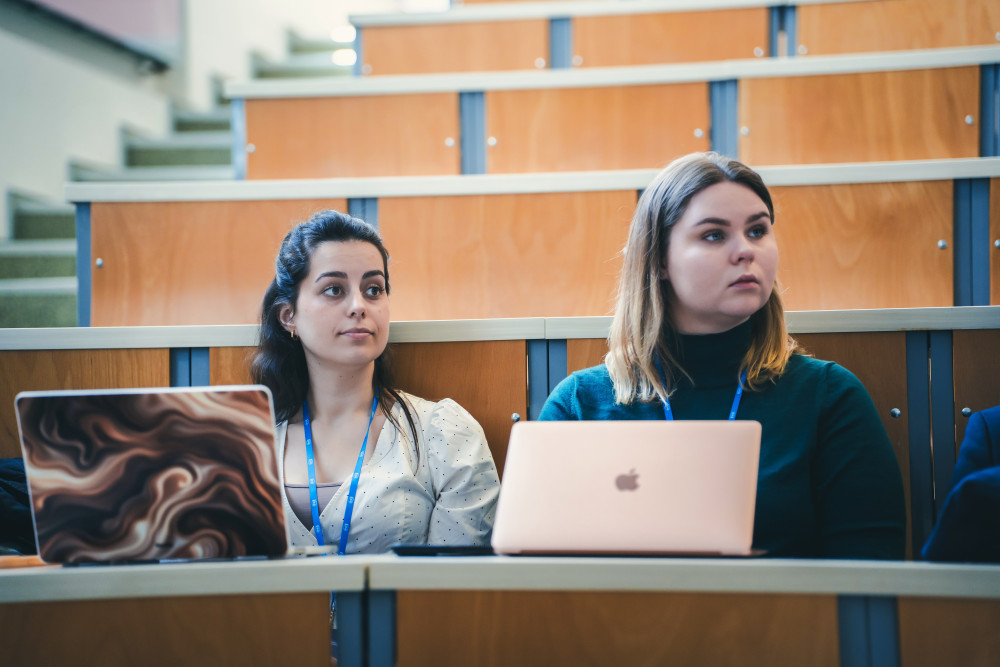
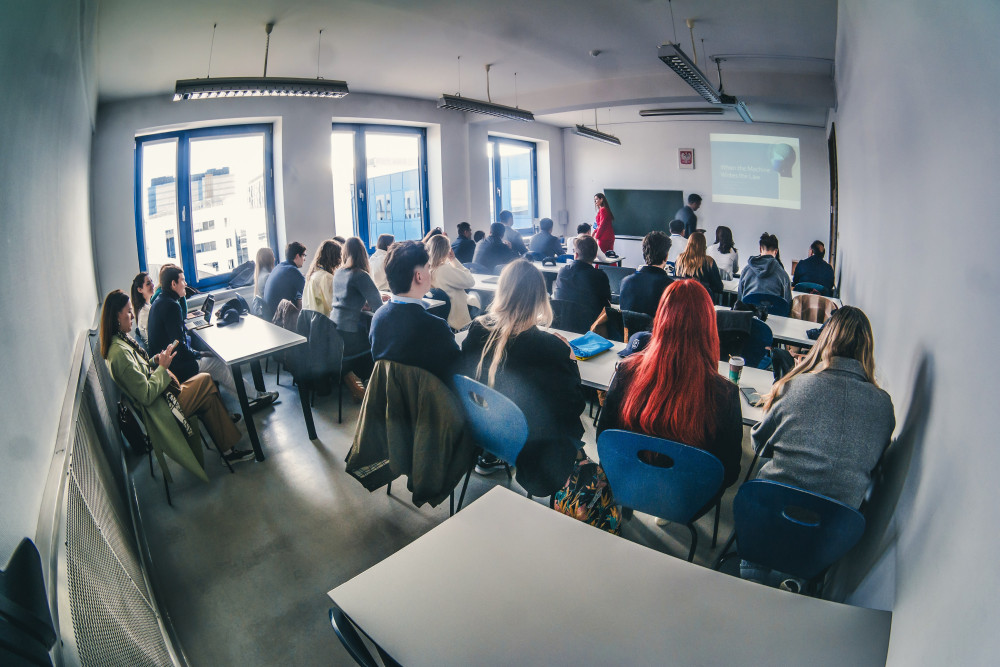
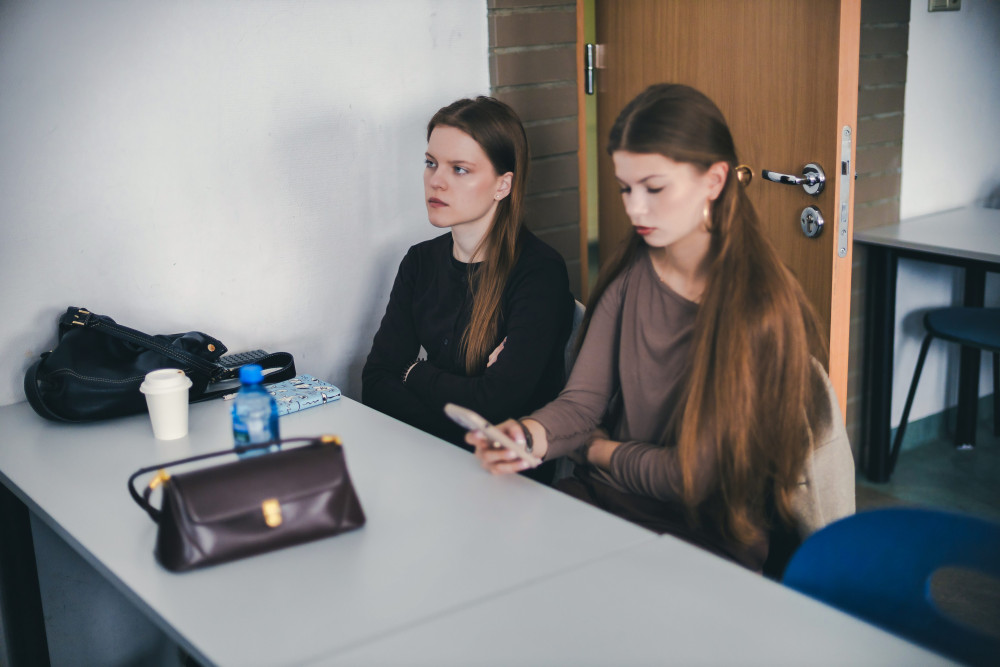
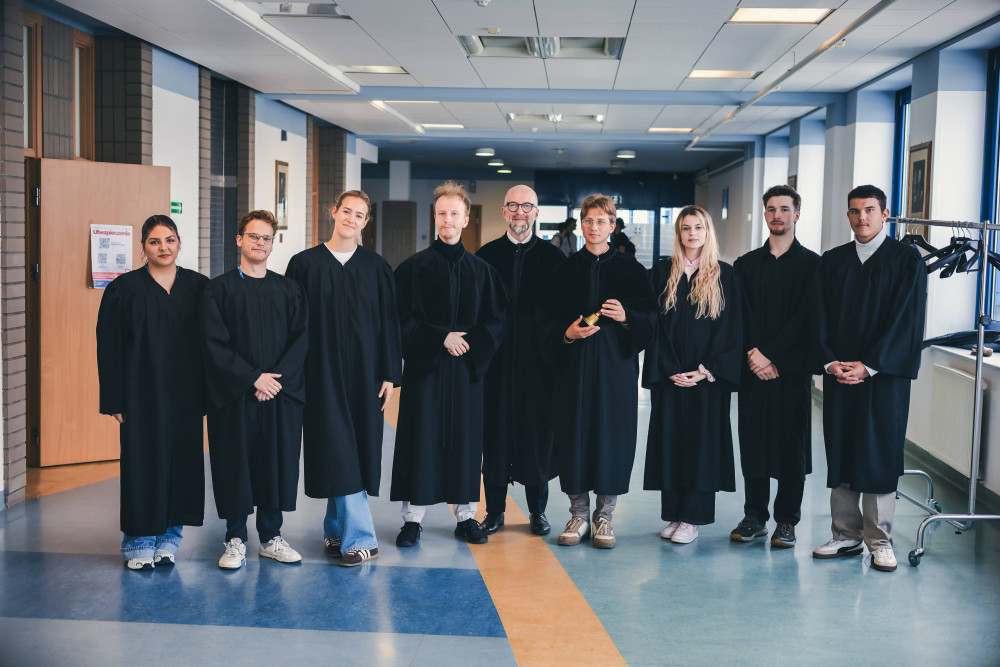
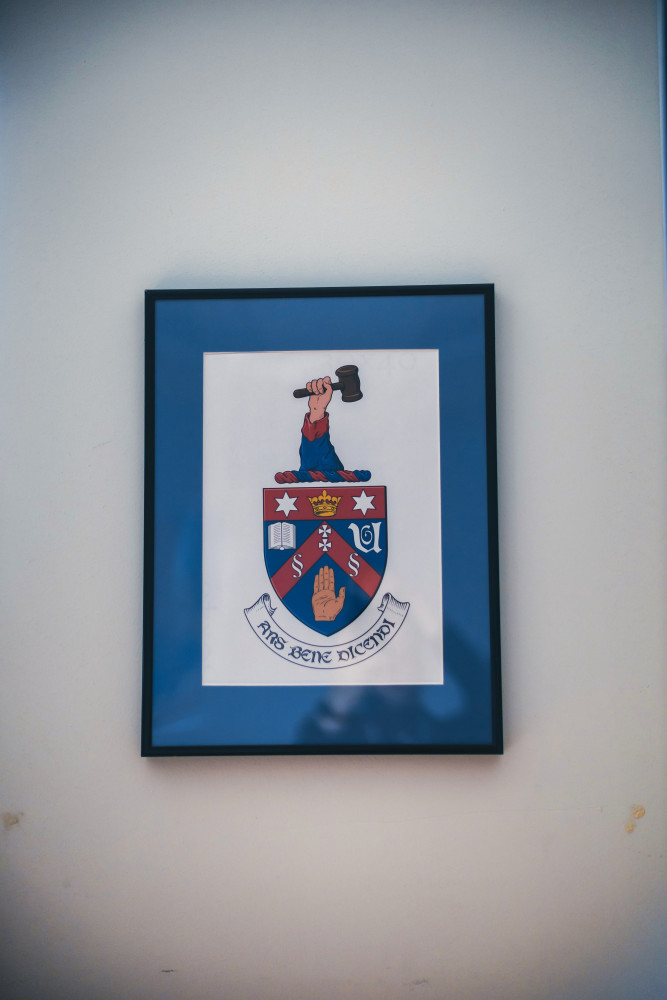
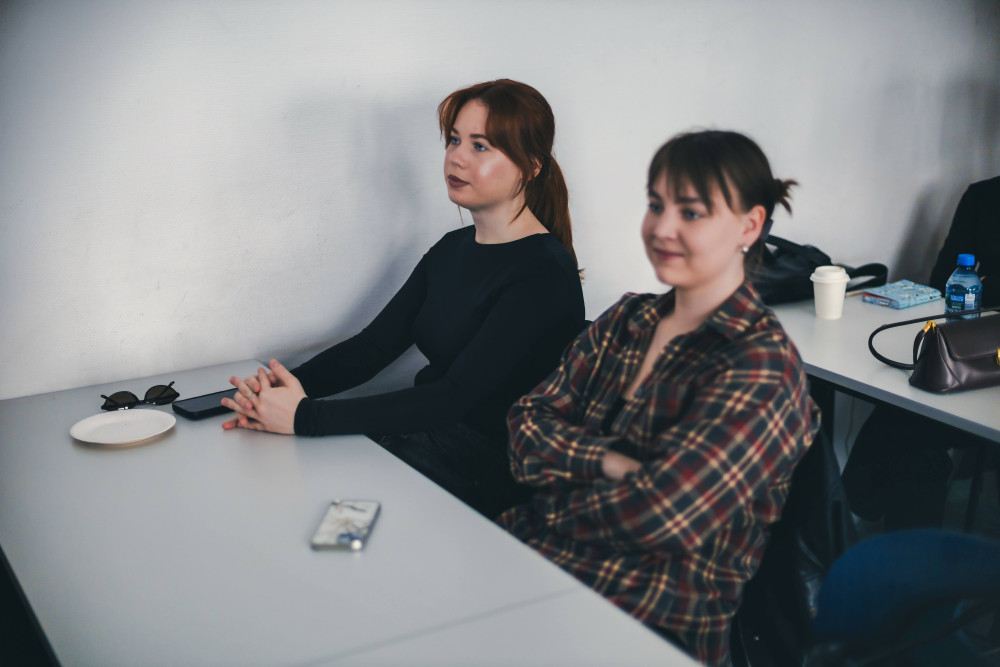
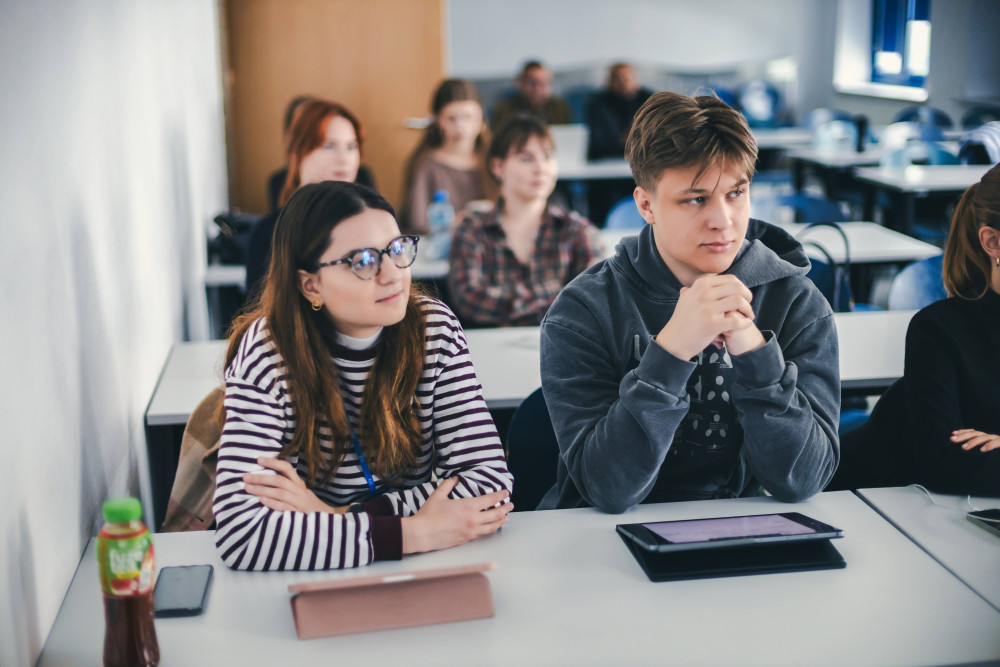
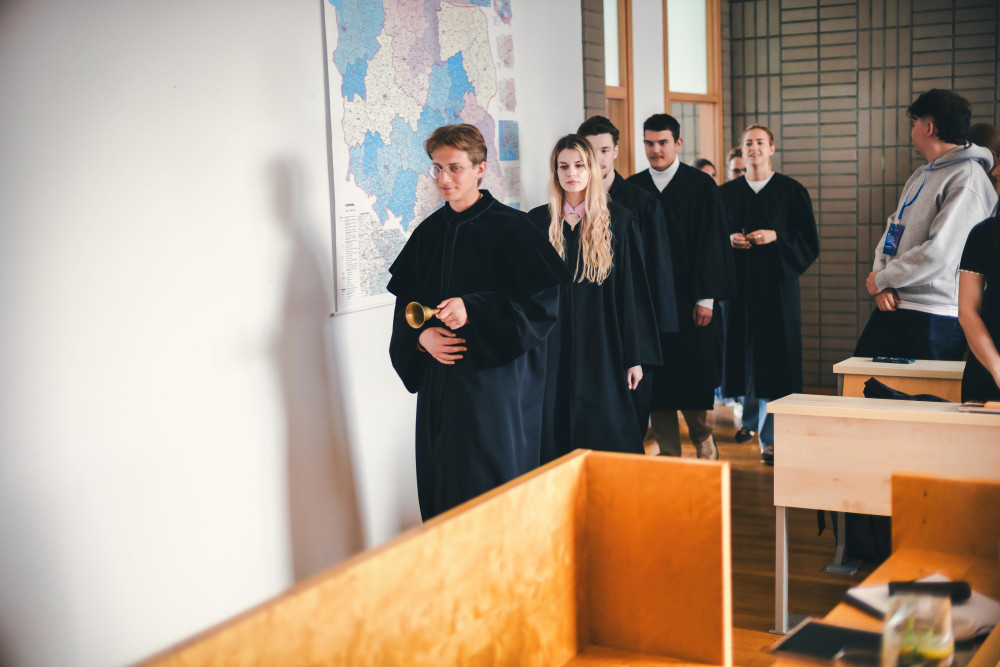
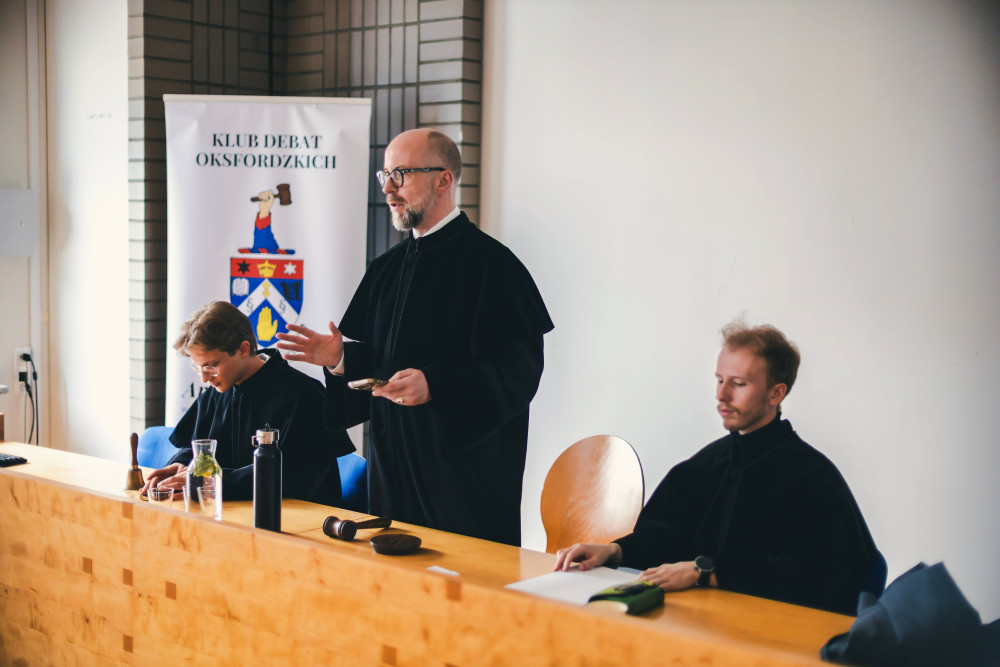
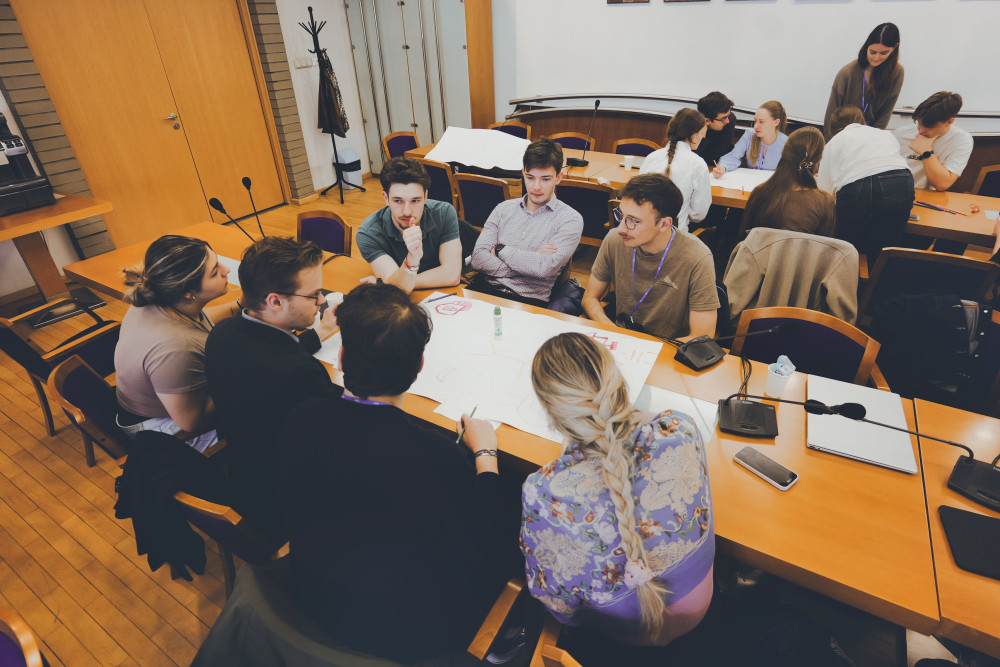
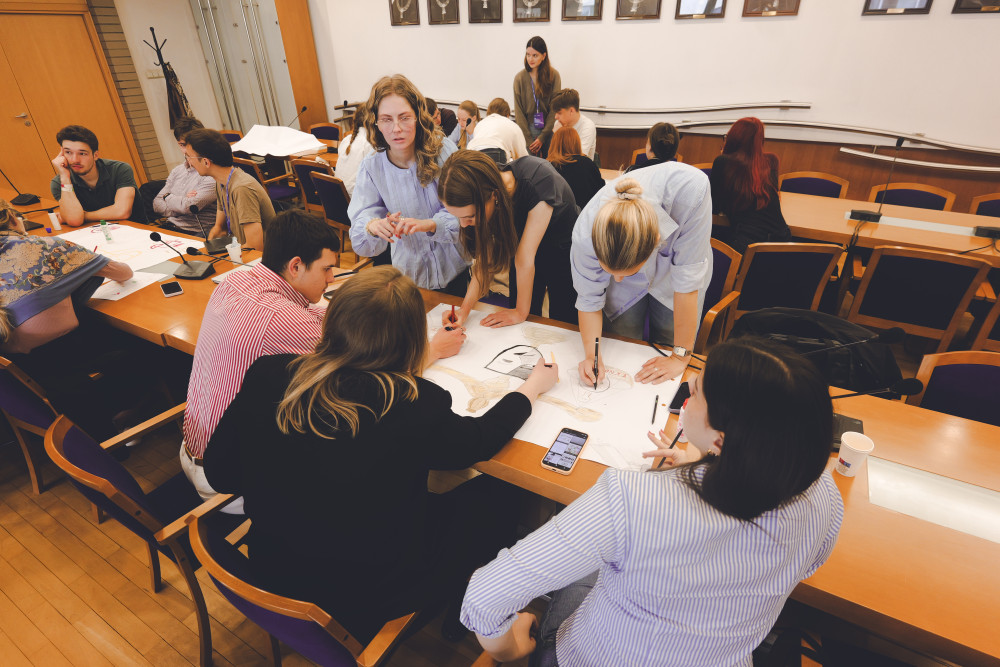
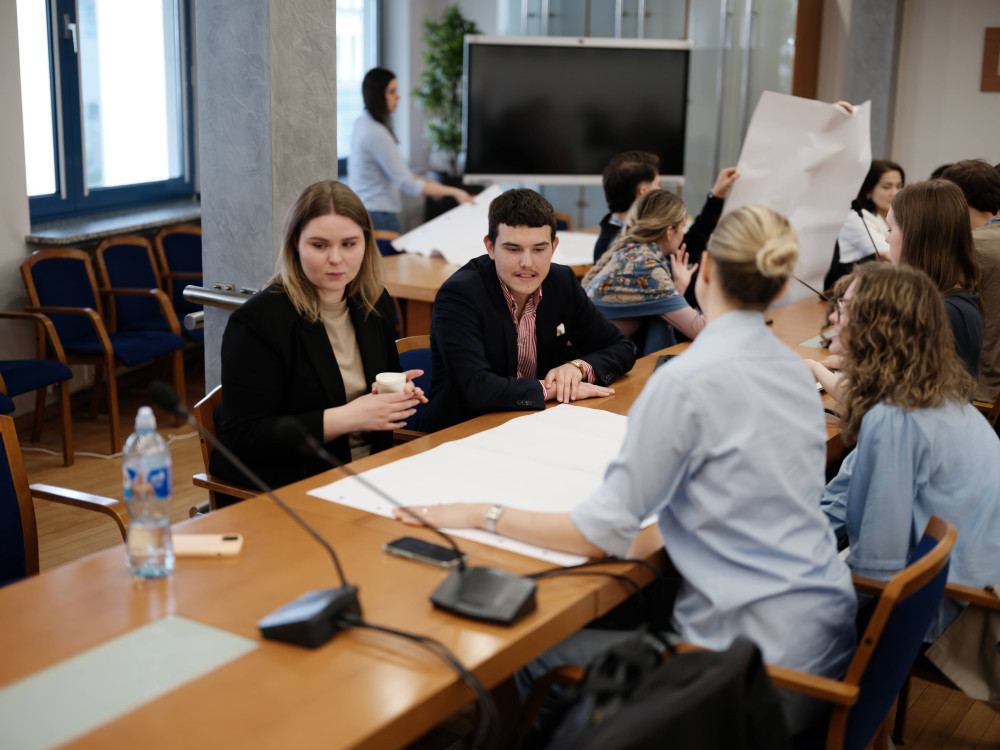
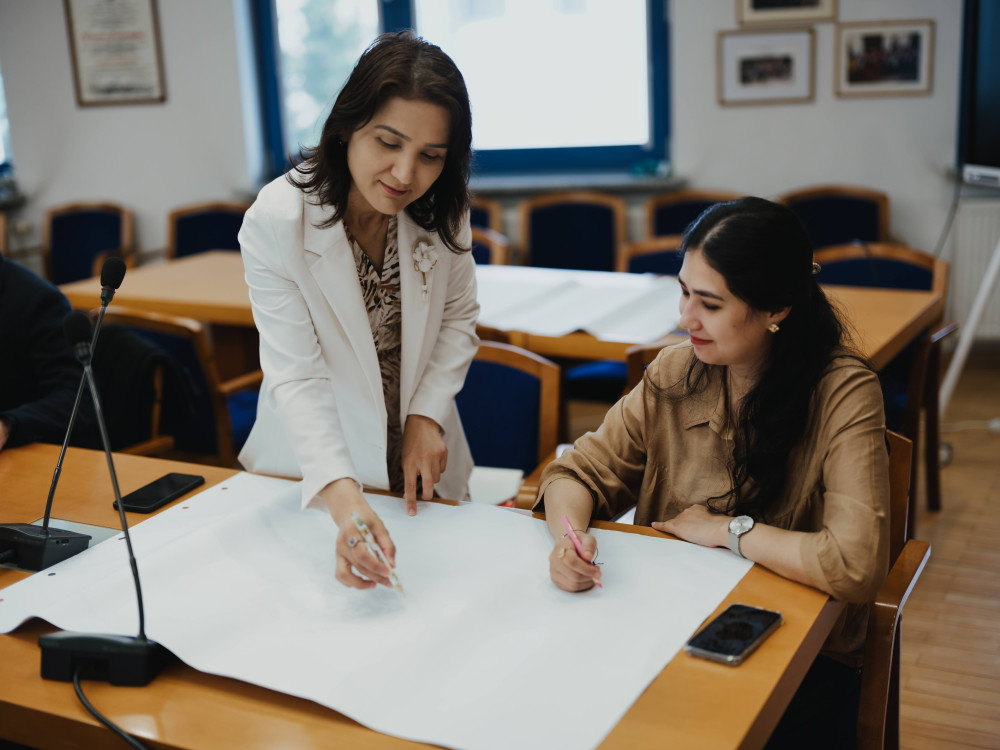
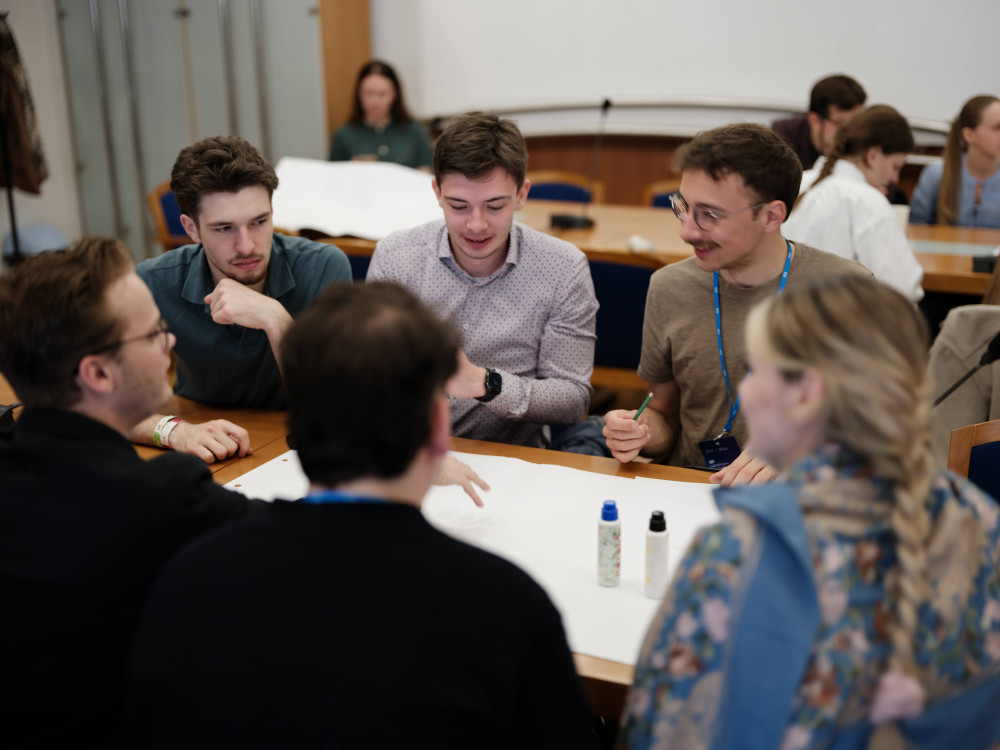
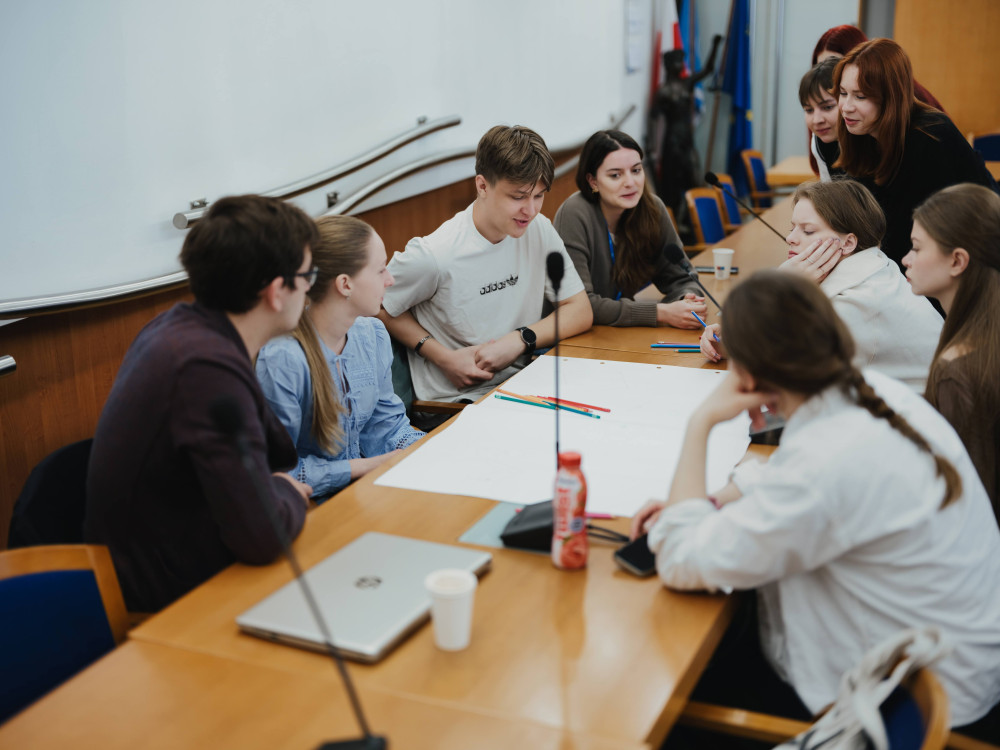
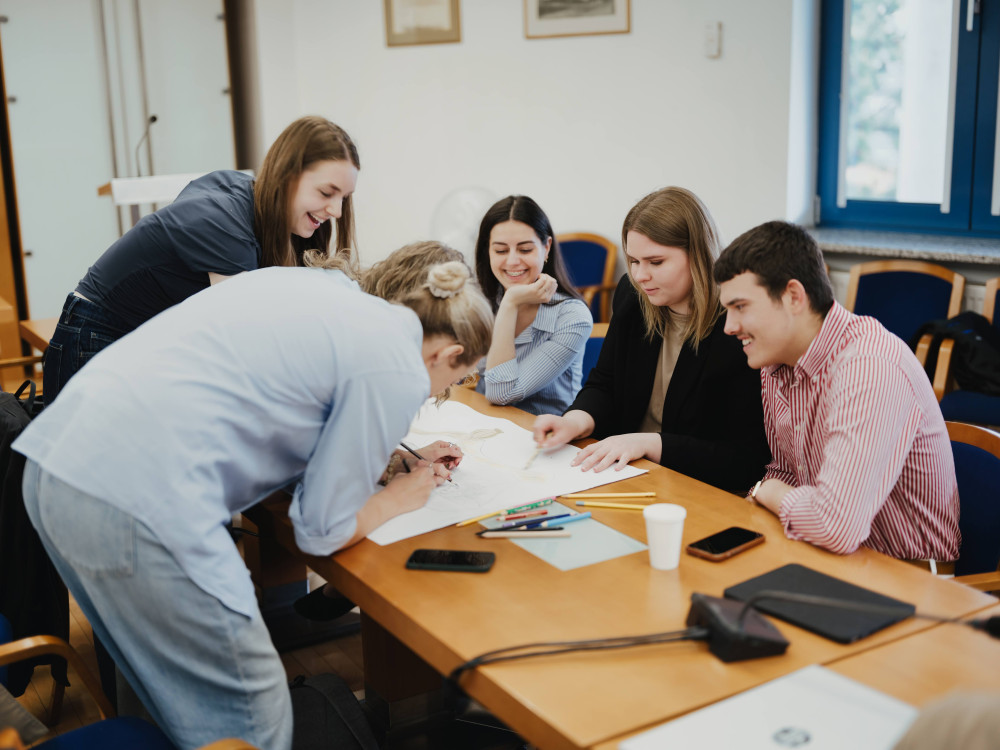
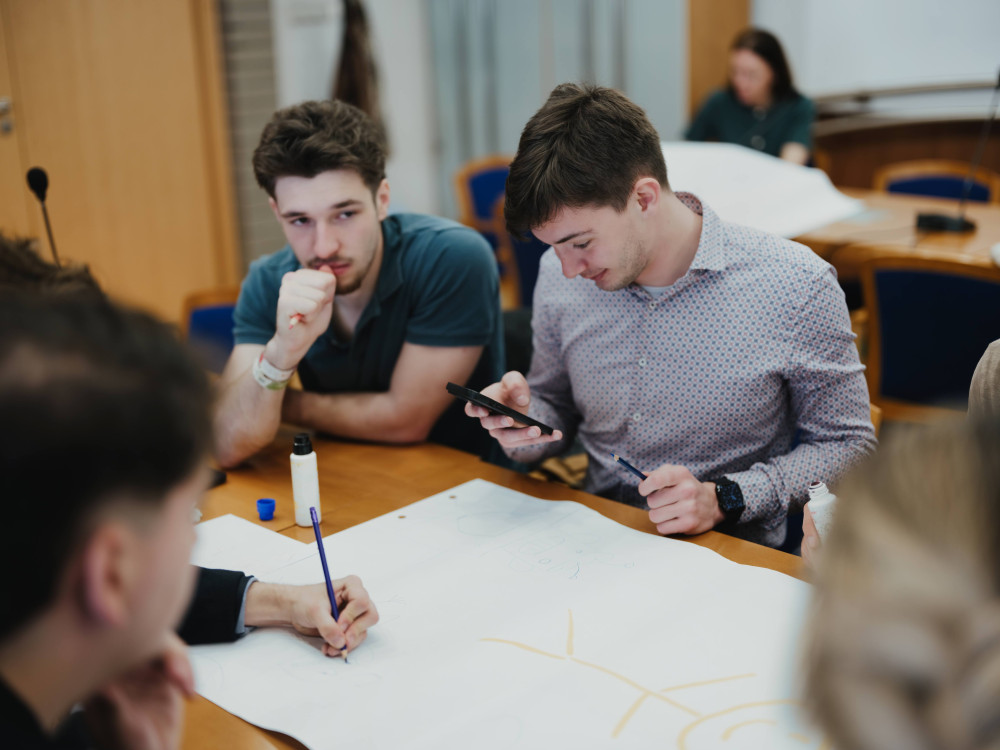
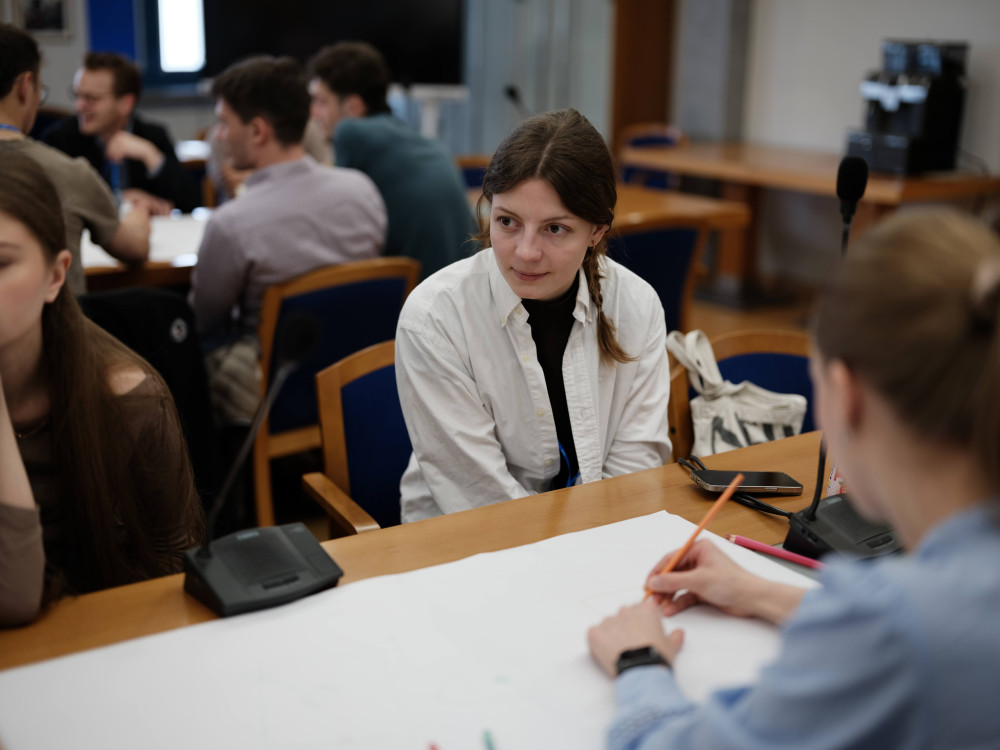
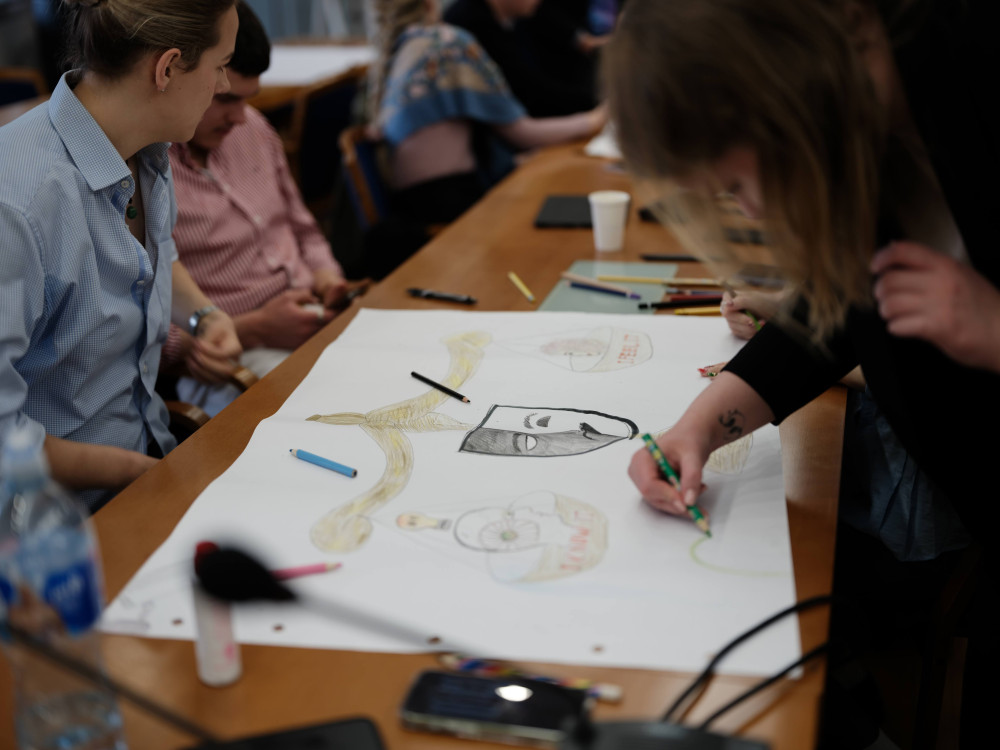
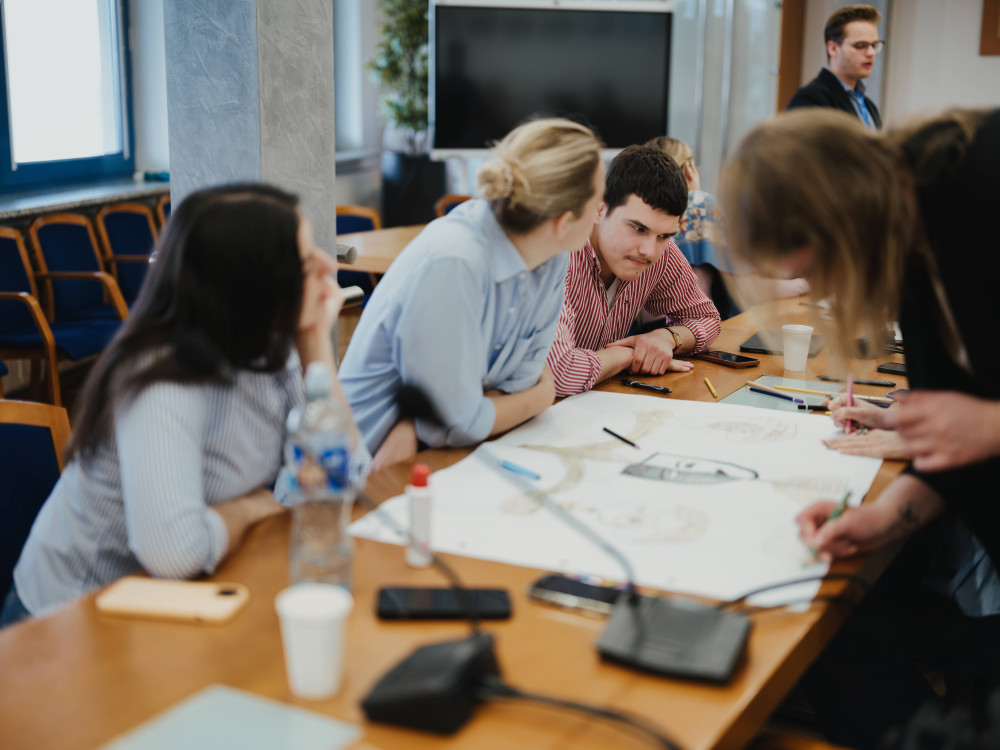
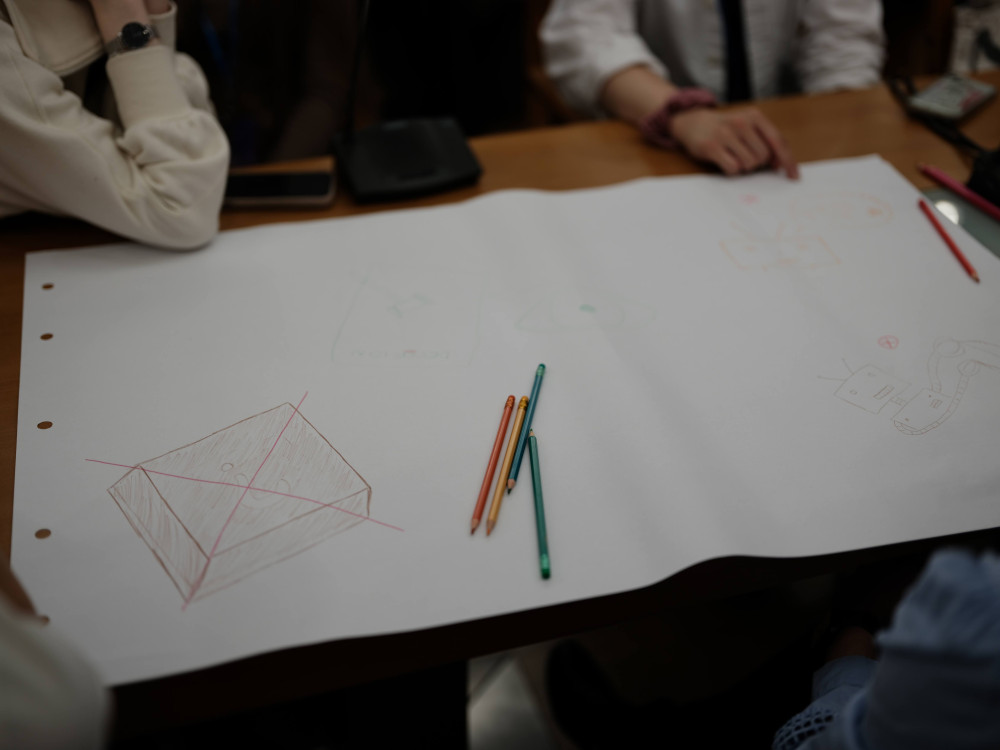
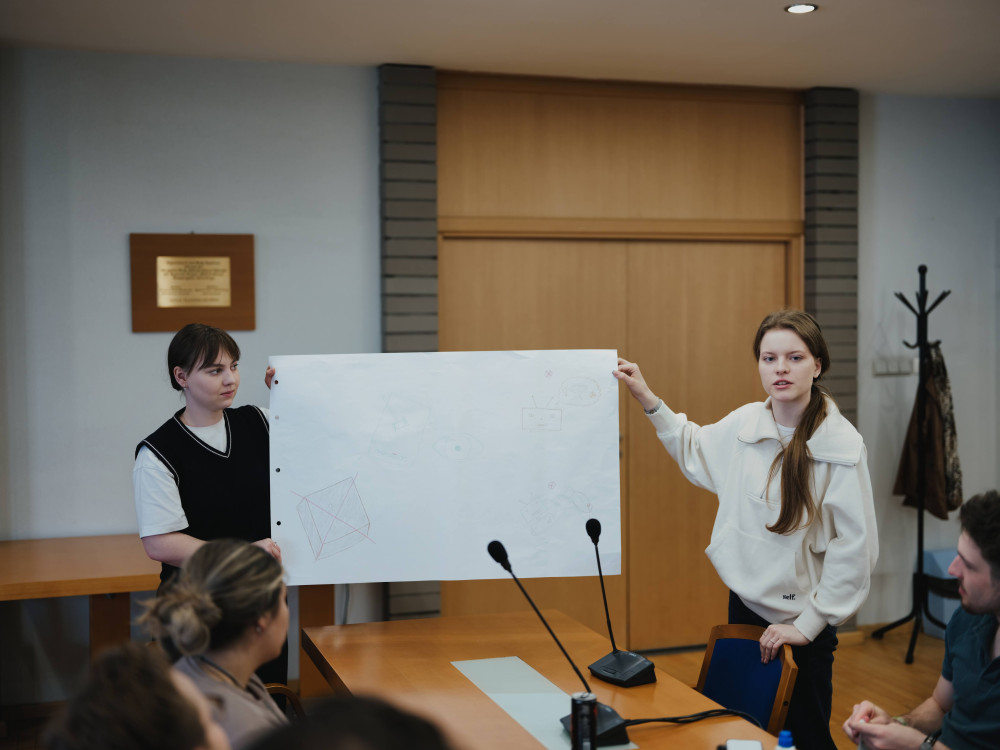
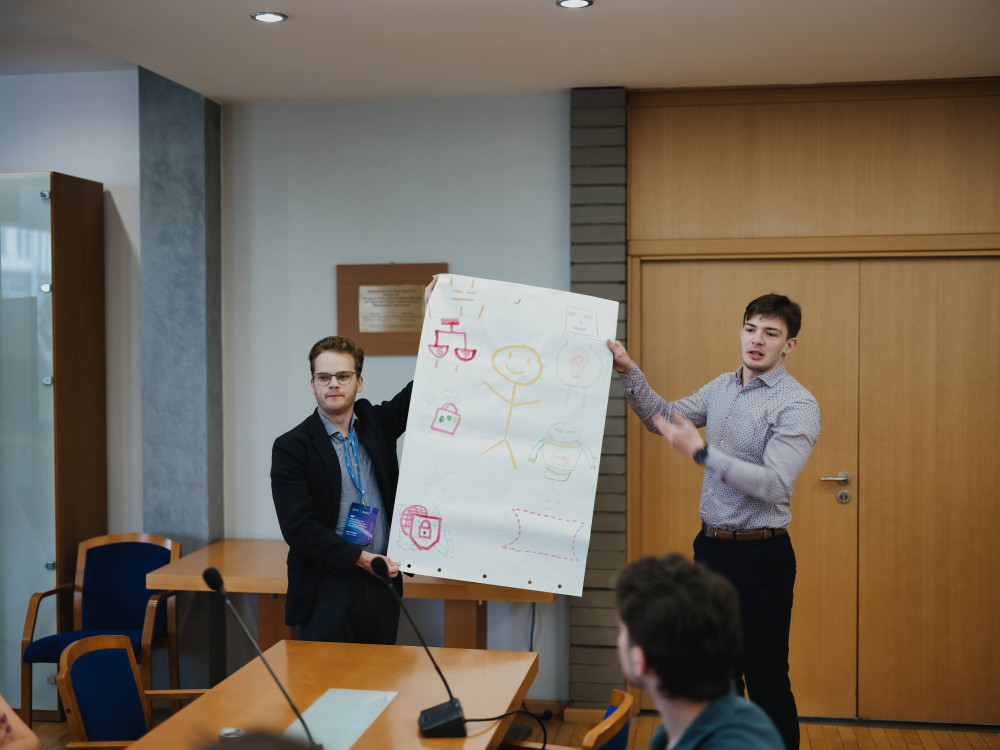
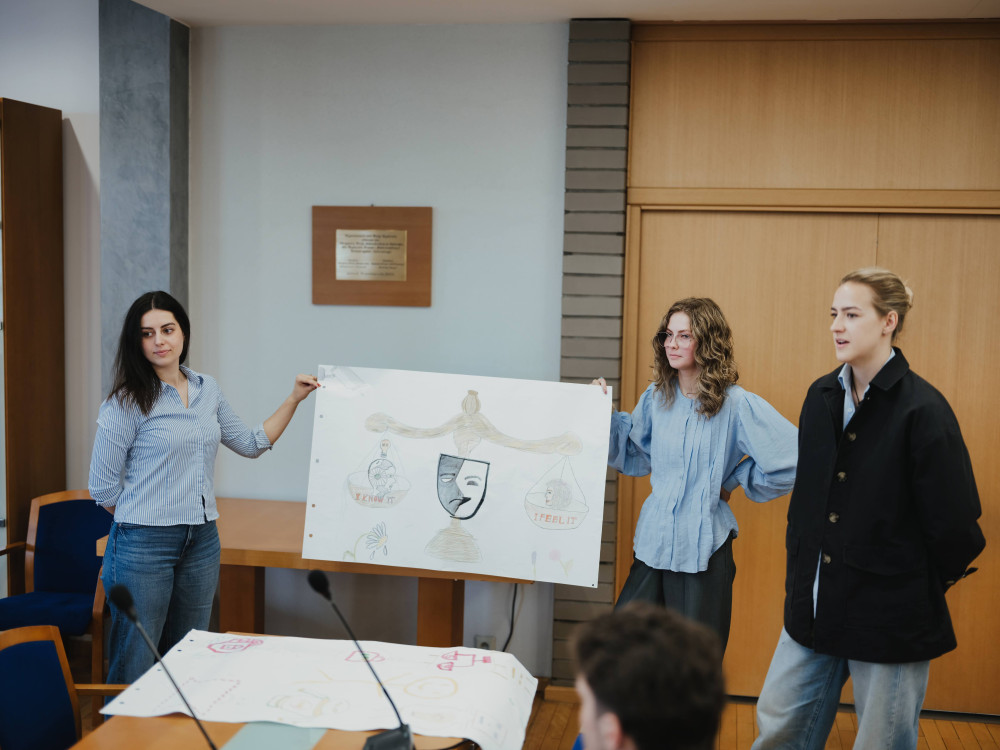
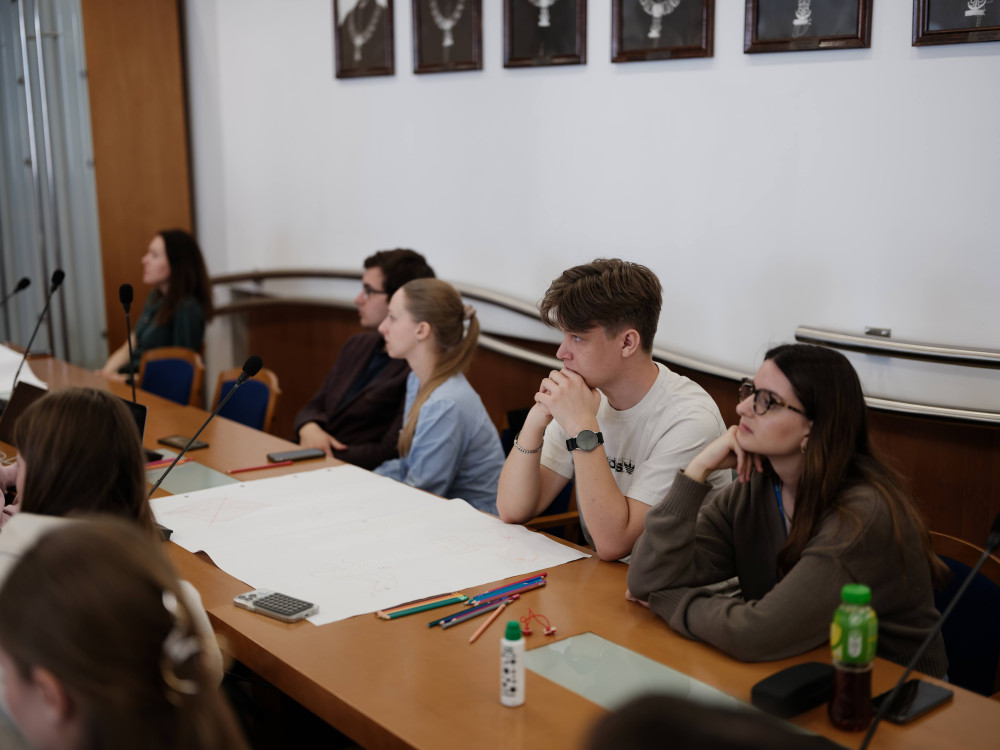
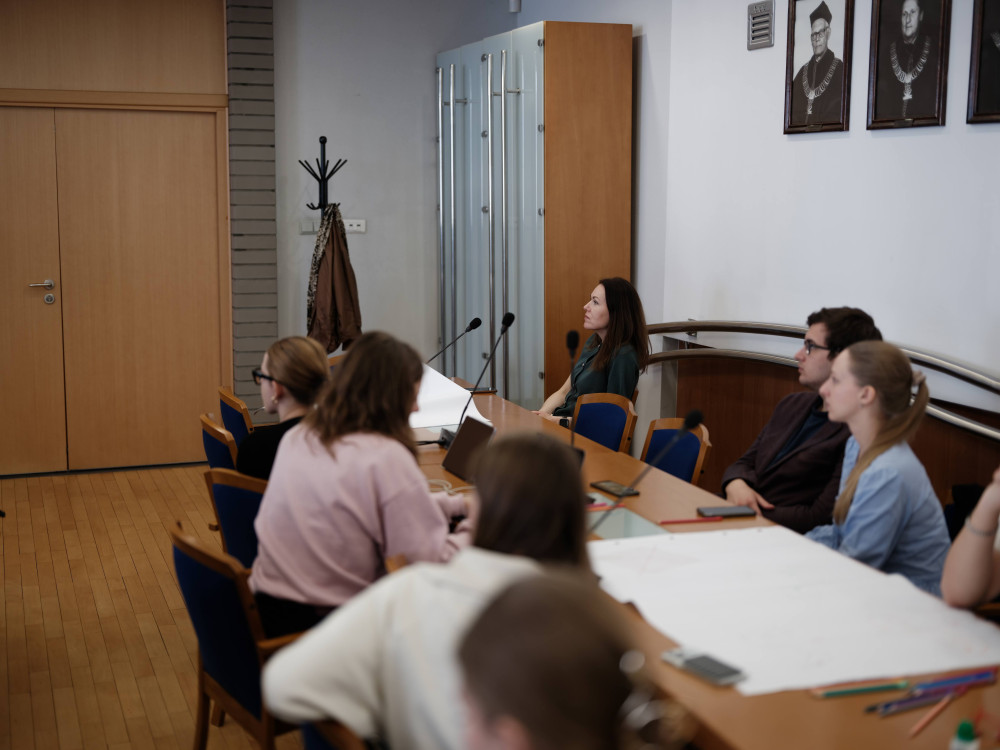
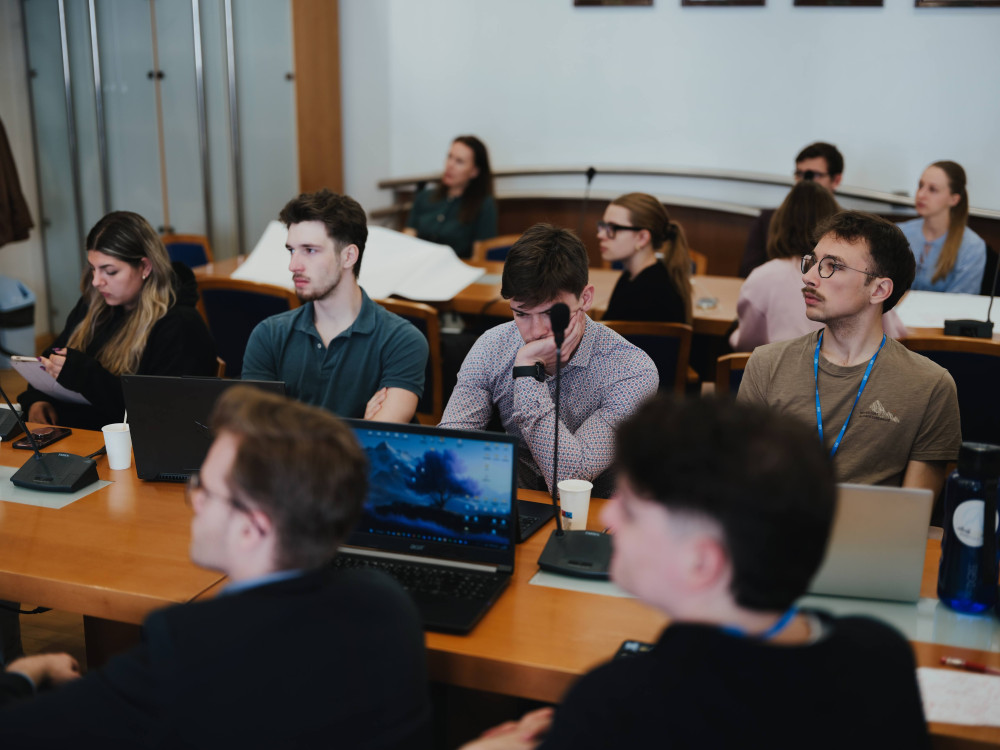
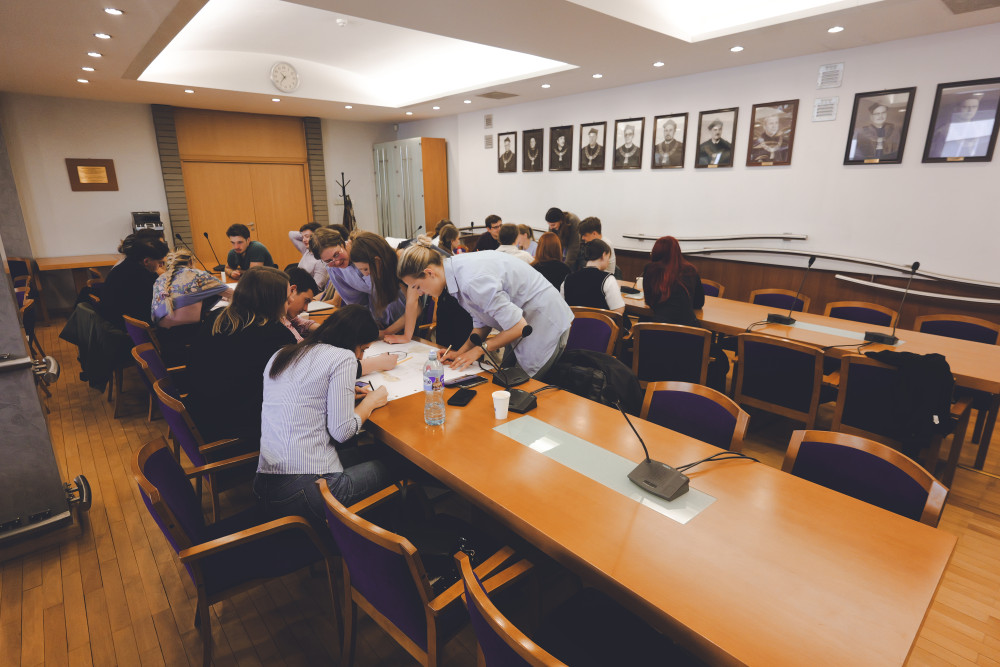
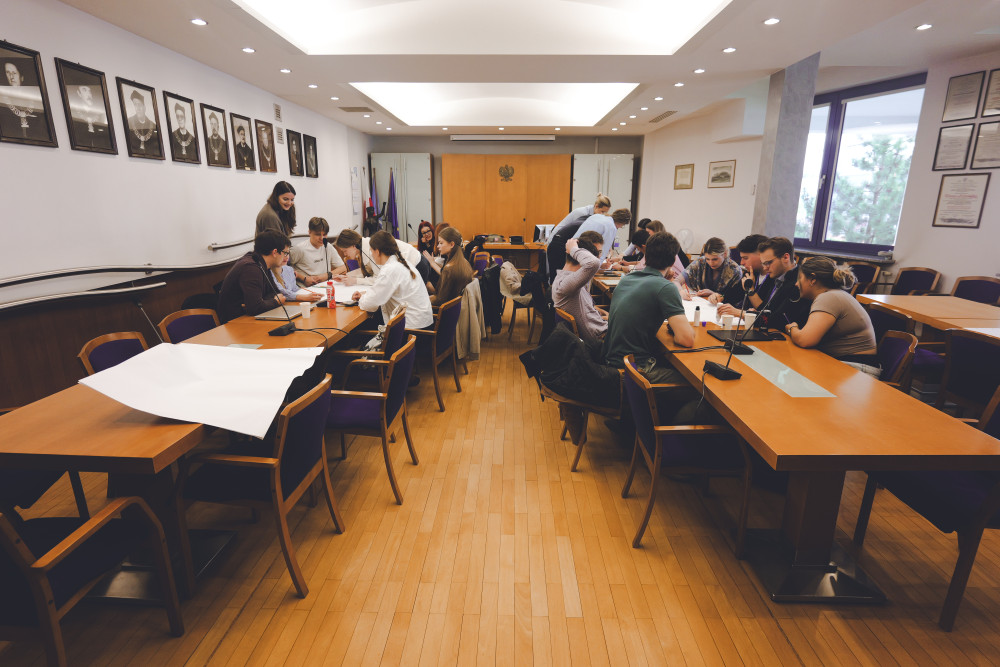
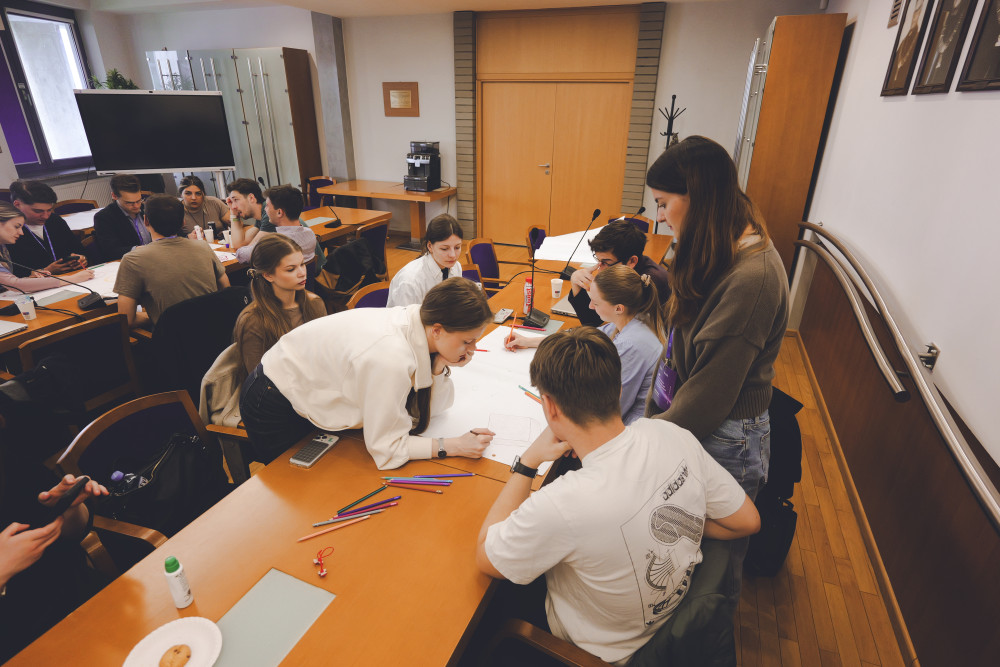
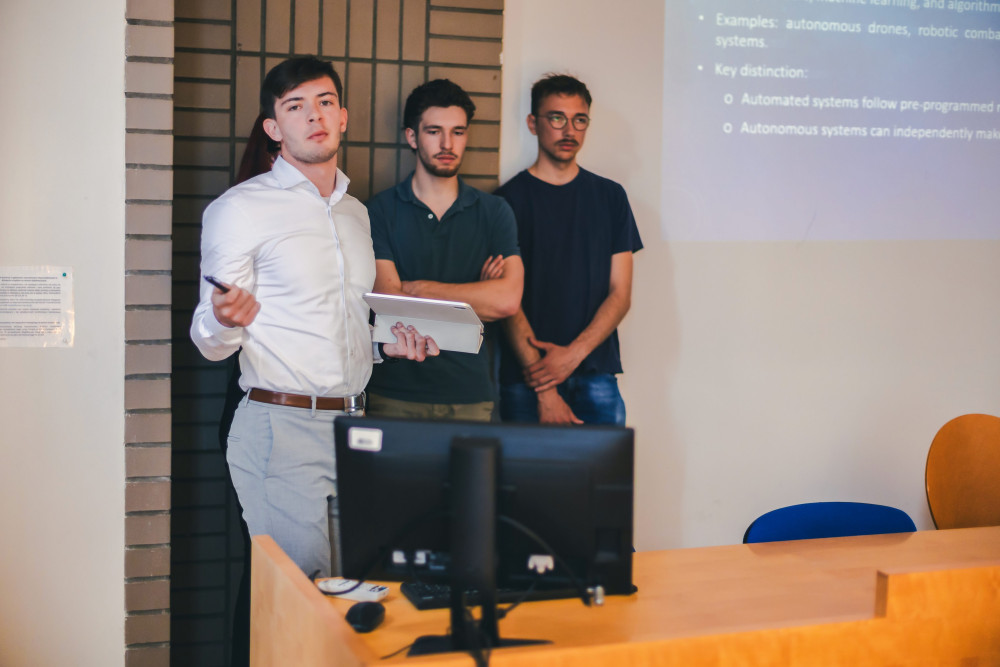
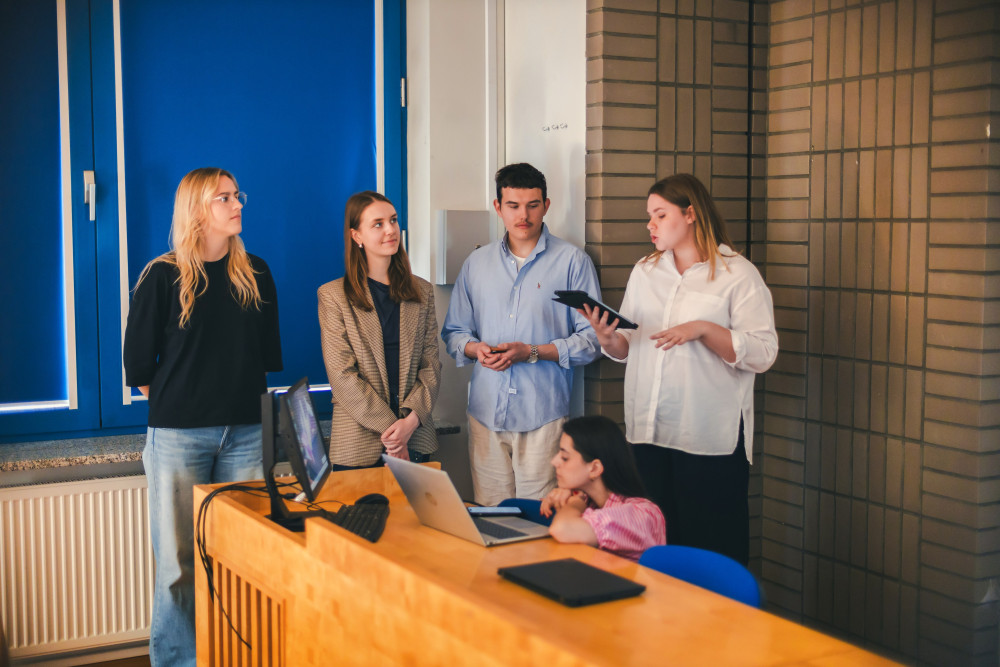
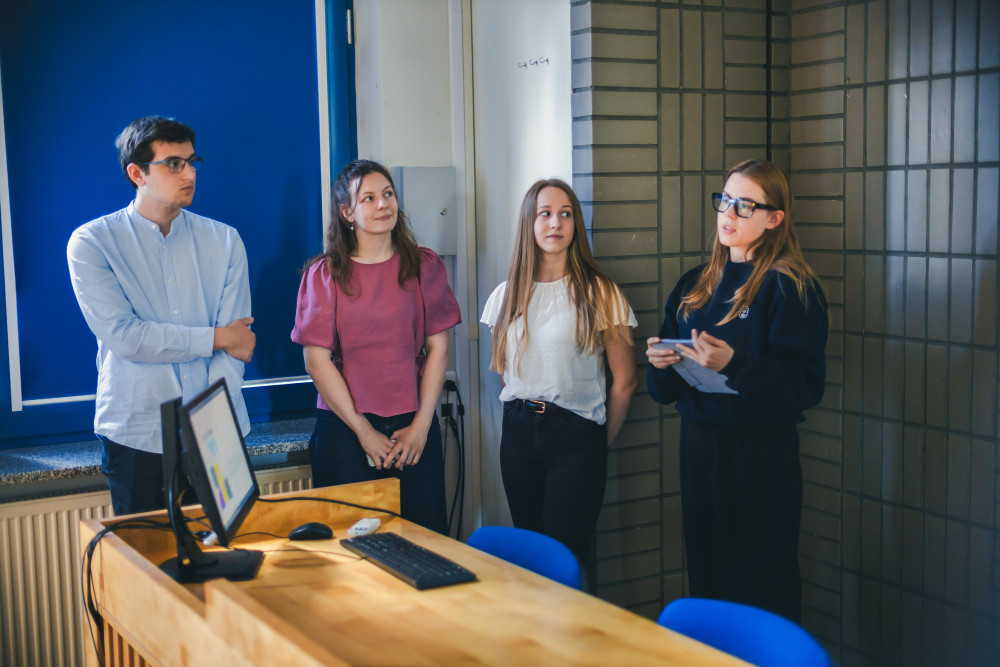
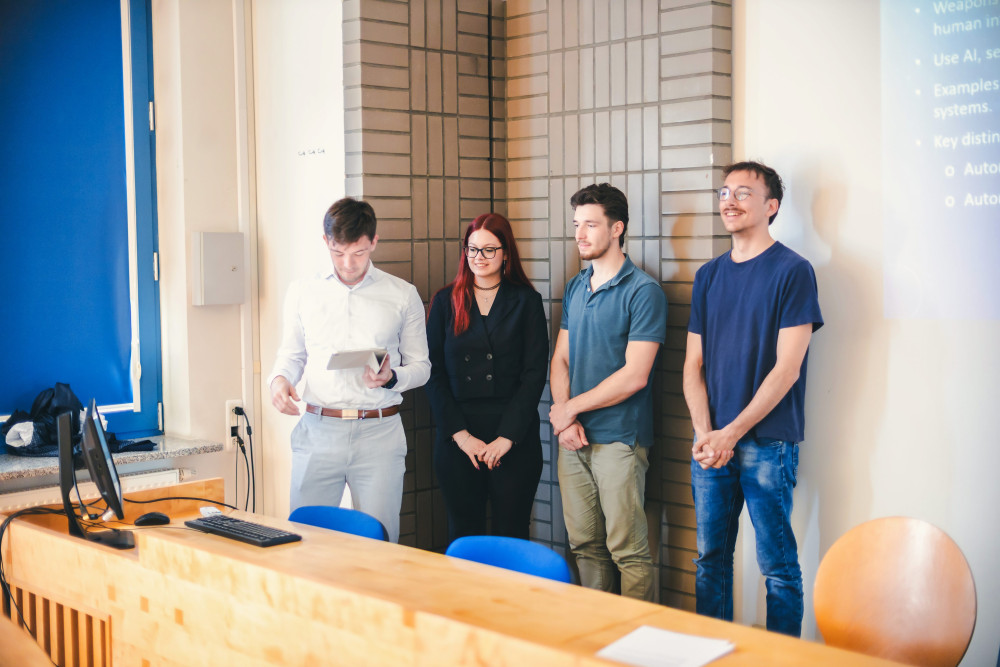
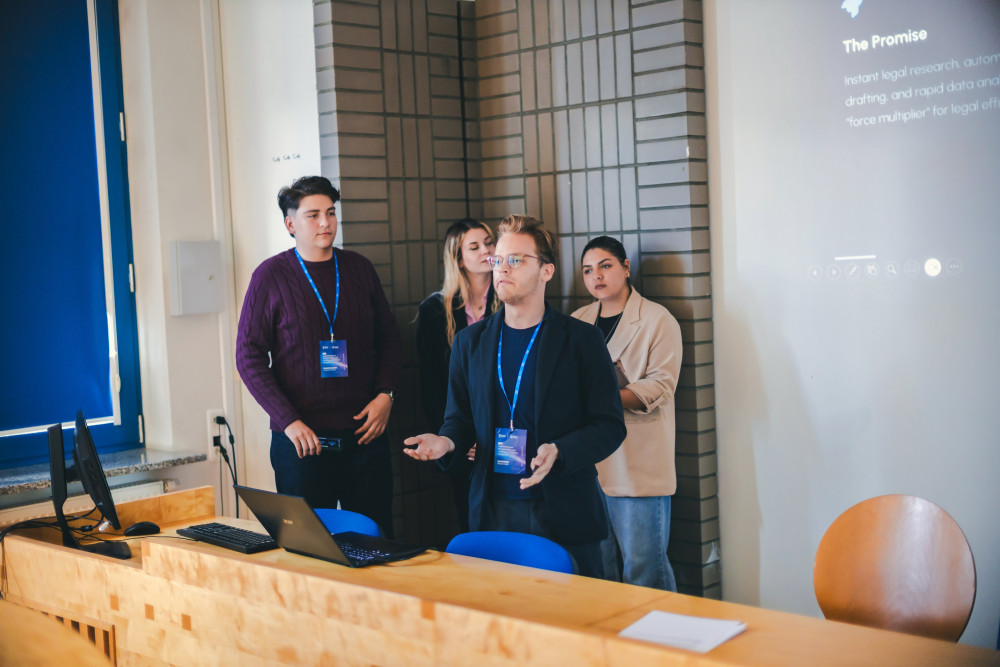
Throughout the week, participants attended lectures and workshops, worked on group projects and took part in an Oxford-style debate on artificial intelligence in the judiciary. The motion, “This House believes that it is better to be judged by an algorithm than by a human judge,” provided an excellent opportunity to confront arguments concerning efficiency, impartiality, transparency, accountability and the distinctly human dimension of judicial decision-making. The debate brought together our international guests and members of the Ars Bene Dicendi Debate Club.
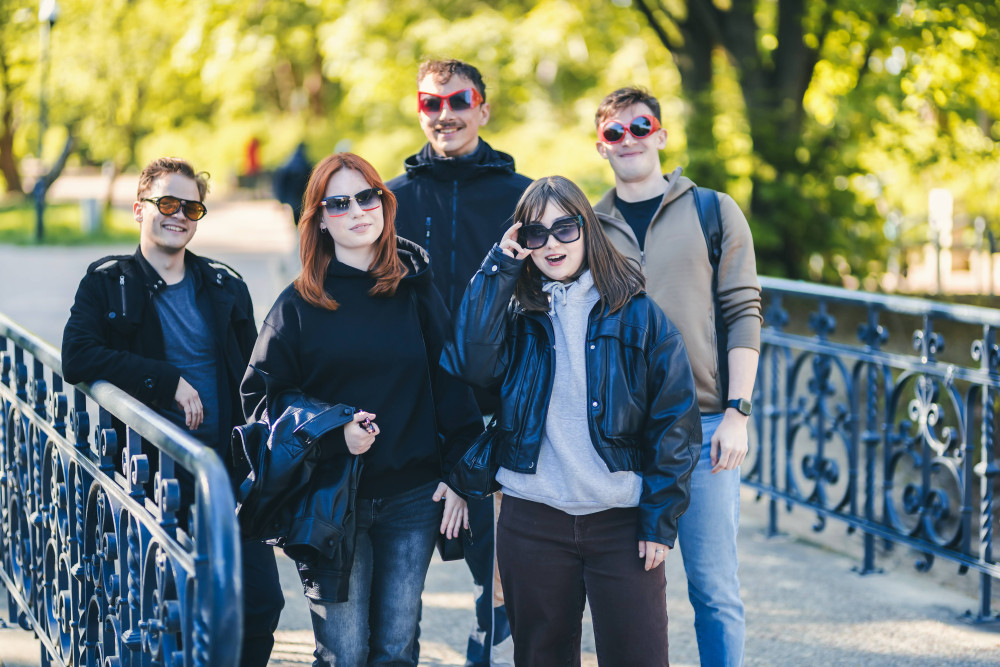
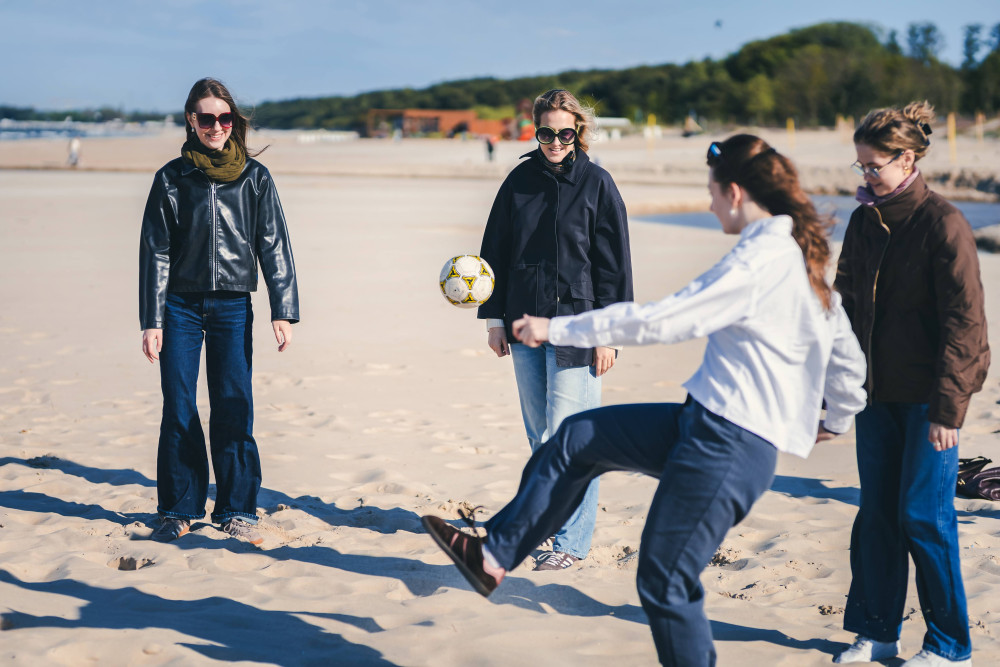
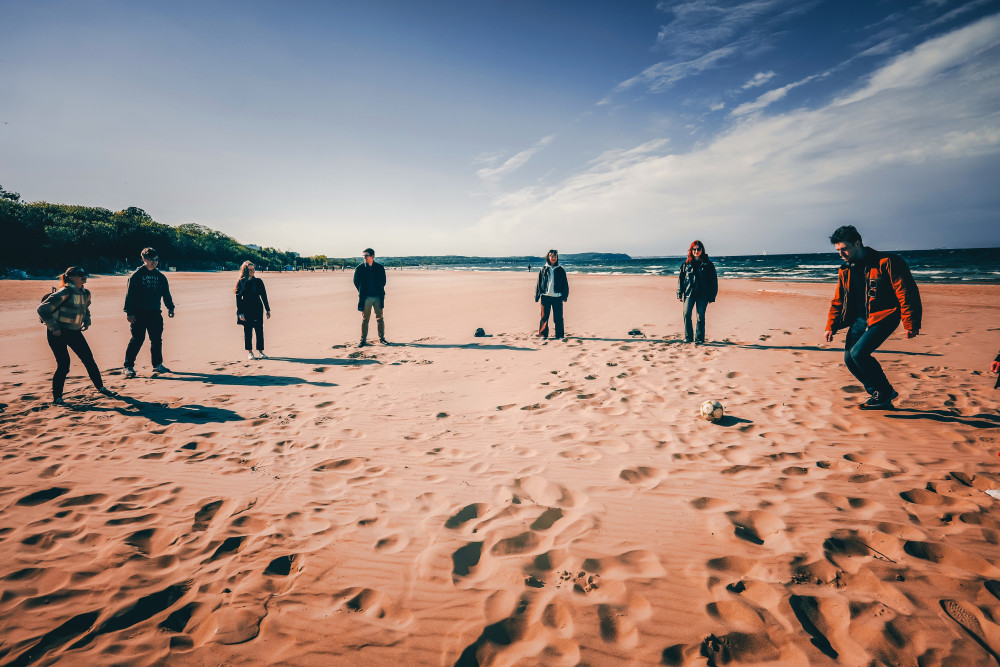
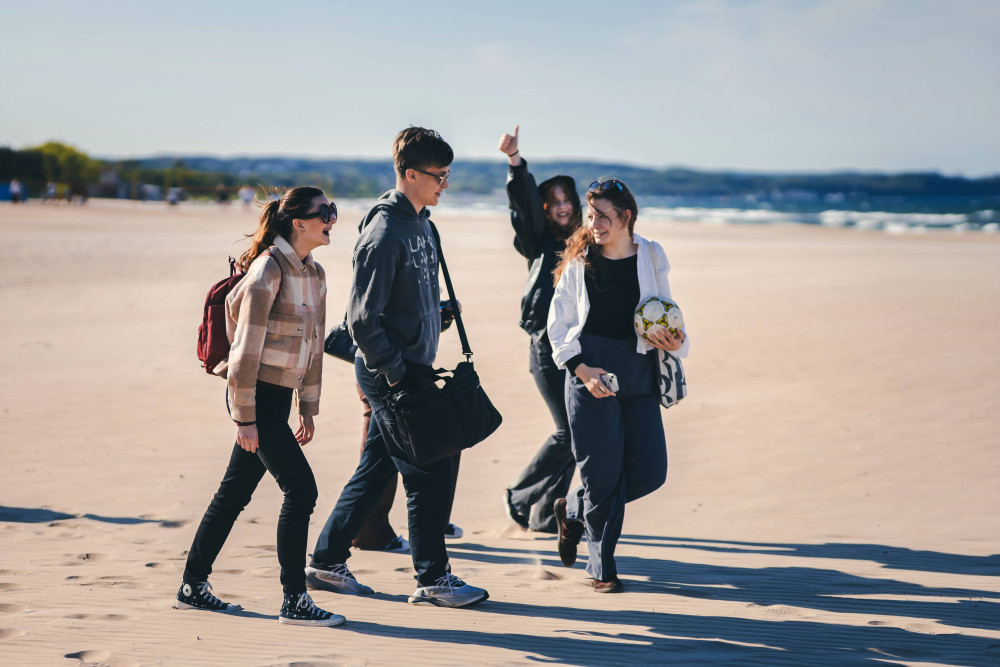
Academic discussion was accompanied by an encounter with Gdańsk itself. A walk through the historic city centre offered our guests not only an opportunity to discover one of the most beautiful cities on the Baltic coast, but also to see a place whose history illustrates particularly well how law, commerce and international cooperation have shaped urban communities. For centuries, Gdańsk has been a meeting point of cultures, legal traditions and different experiences of freedom.
An important part of the programme was also devoted to cultural exchange, including what has gradually become one of our favourite forms of international integration: cooking together.
The idea began with making and cooking pierogi together with students from Uzbekistan and was later followed by an encounter with Central Asian cuisine. This time, under the guidance of the Head Chef of Le Grand Buffet, located on the ground floor of our Faculty building, our international guests prepared three classics of Polish cuisine: żurek, made according to a special halal-friendly recipe, two varieties of traditional herring, and faworki.
The culinary workshop soon became much more than a Polish cooking class. Students presented some of the most characteristic dishes of their own national cuisines, introducing us to Lithuanian cold beetroot soup, Czech cakes and desserts, Belarusian potato pancakes, Uzbek plov and Romanian meat dishes.
Our Romanian students even surprised everyone with a selection of sweets brought specially from Romania. The Uzbek group, meanwhile, organised a competition in traditional Uzbek dancing, with silk scarves as prizes. In the end, the winners were gentlemen who, in a suitably chivalrous gesture, presented their hard-won scarves to their dance partners.
The culinary teams also received enthusiastic reinforcement from Prof. Steven Oberman from Tennessee, USA, our Visiting Professor this semester, and his wife Evelyn, who joined the participants in the kitchen.
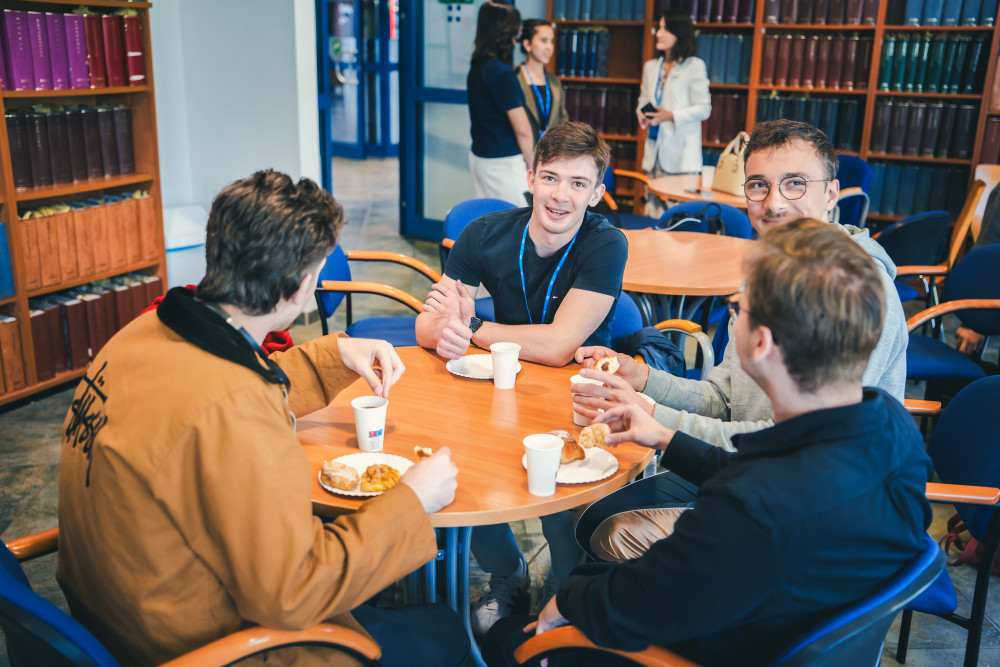
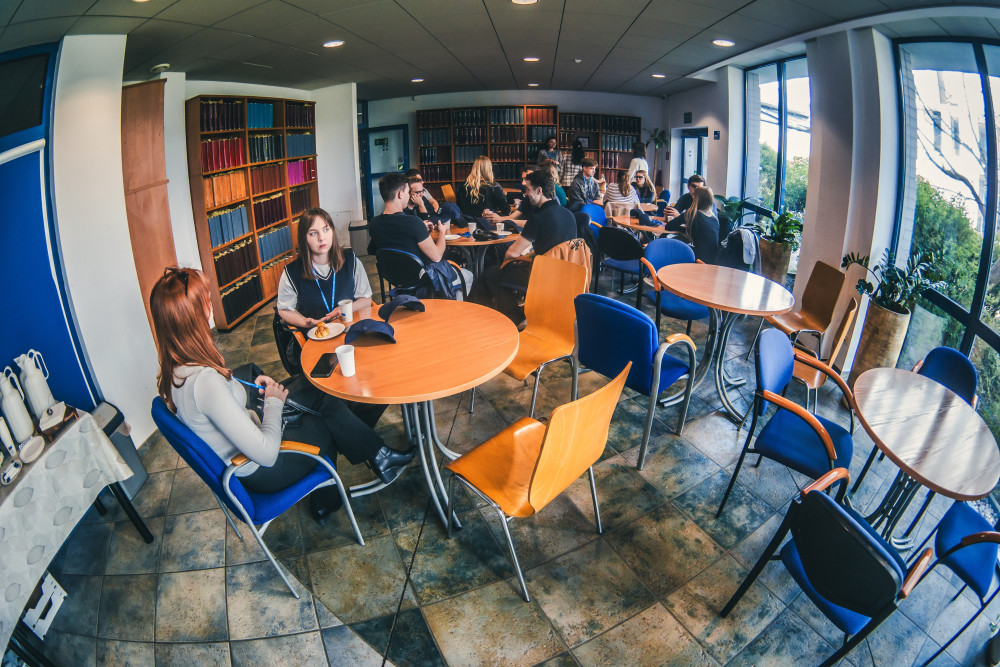
The week demonstrated particularly well what the BIP formula can offer. Intensive academic work on a genuinely contemporary subject was combined with international exchange, teamwork and opportunities to get to know one another beyond the lecture room. Discussions about algorithms, courts and the future of law were accompanied by encounters with different academic traditions, national cultures and, quite literally, different tastes.
We would like to thank the Office for Cooperation and Internationalisation of the University of Gdańsk and the Dean’s Office of the Faculty of Law and Administration for their organisational support.
We would also like to congratulate prof. Edwardas Juchnevičius for all his efforts in organizing such a great event.
Most importantly, we thank all students, lecturers and international guests for an intensive and memorable week at the Faculty of Law and Administration, University of Gdańsk. We hope that the discussions, new academic contacts and friendships established during “LegalTech Fusion: Navigating the Legal Frontier of AI” will continue long after the programme itself has ended.
[photos: E. Juchnevičius]